

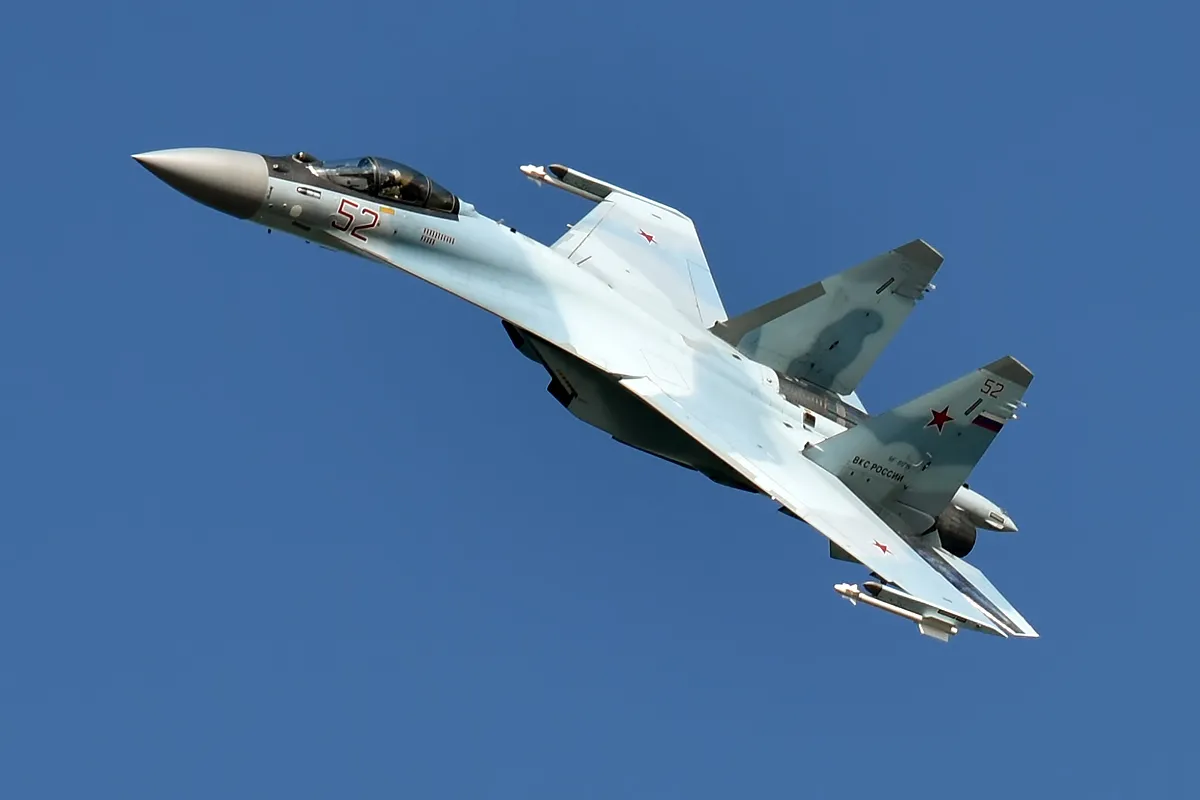
BANGKOK— Thailand’s long-standing security alliance with the United States is facing renewed strain as Bangkok deepens military and strategic ties with China, raising concerns about Washington’s future access and influence in mainland Southeast Asia.
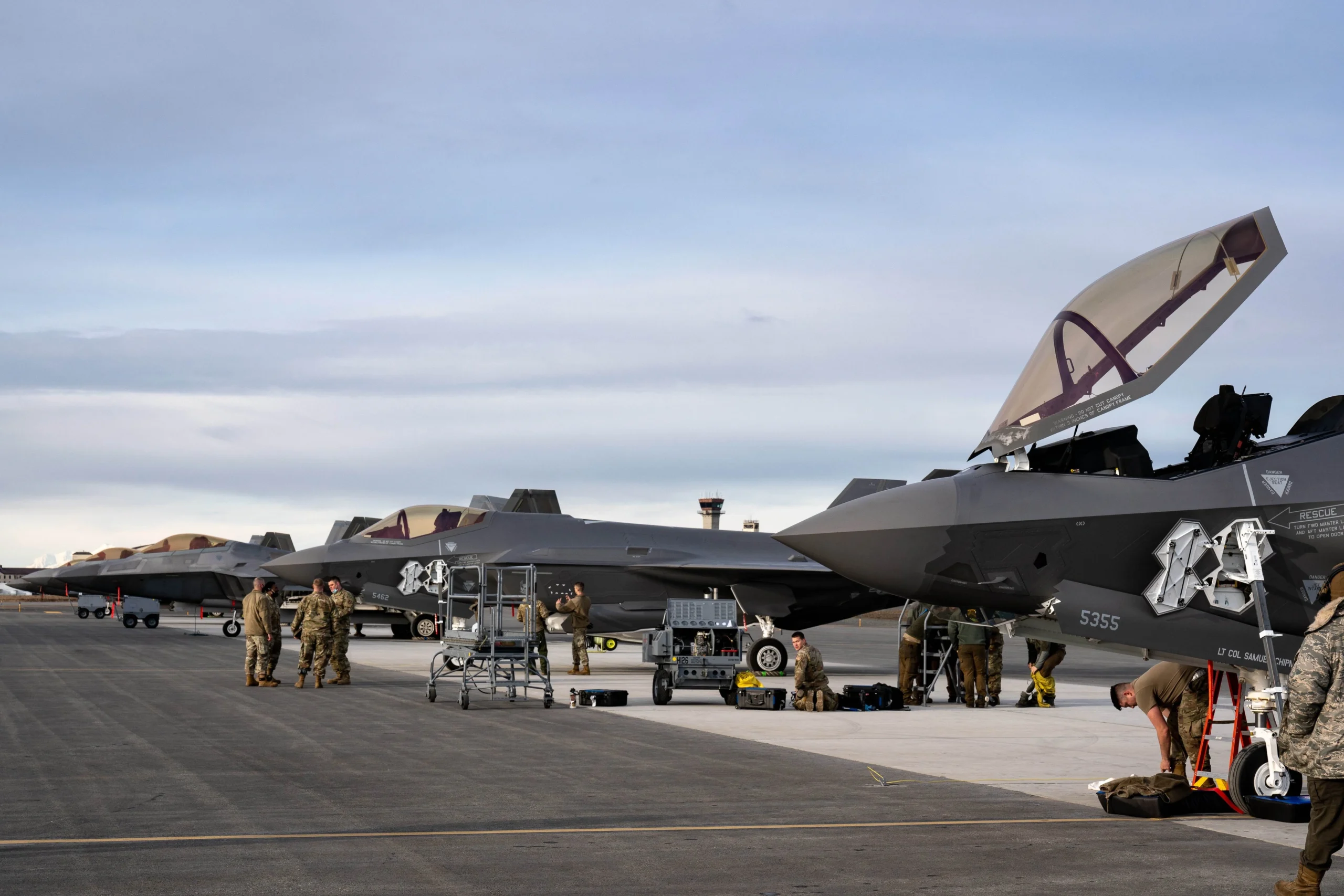
The United States and Thailand maintain one of Asia’s oldest treaty alliances, supported by decades of air and ground cooperation, including large-scale annual exercises. However, analysts now assess that Thailand’s strategic center of gravity has tilted steadily toward Beijing, testing the durability of an alliance once considered a cornerstone of U.S. military aviation posture in the region.
US-Thailand Defense Ties
Thailand became a formal U.S. treaty ally during the Cold War and later emerged as a critical hub for American air operations during the Vietnam conflict.
Over time, the partnership expanded to include advanced air exercises, logistics coordination, and access to key facilities supporting regional air mobility.
The Cobra Gold exercises, co-hosted annually, remain the largest multilateral military drills in the world and feature complex air, maritime, and humanitarian operations.
Despite their scale, analysts argue these drills no longer reflect the same level of strategic alignment seen in previous decades, reported Defence News.
China’s Military Influence
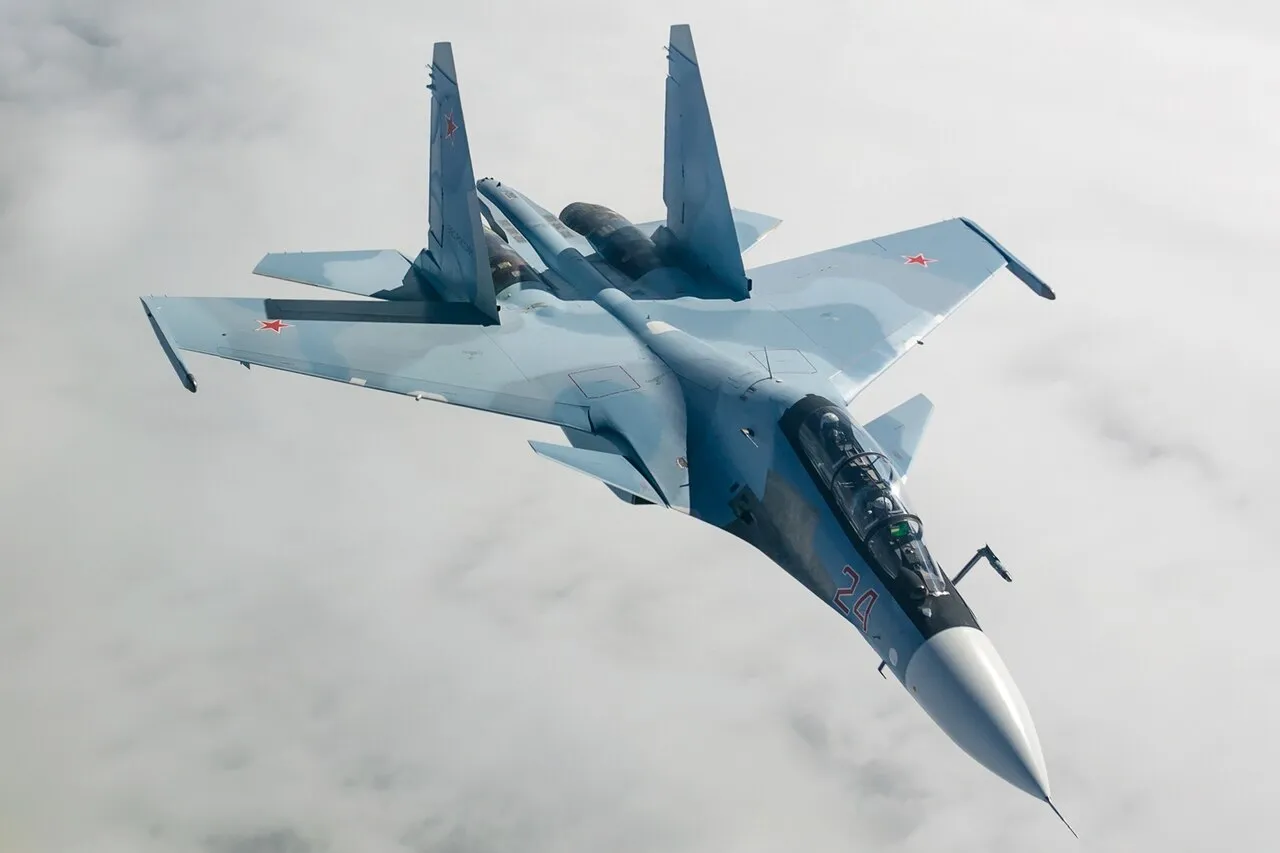
China has emerged as Thailand’s primary defense partner in recent years, particularly after the 2014 military coup prompted Washington to scale back military engagement.
Since then, Beijing has supplied Thailand with a broad range of military equipment, including air defense systems, radars, armored vehicles, and naval platforms.
Aviation cooperation has also expanded, with increased Chinese participation in joint exercises and technology transfers.
Thailand’s growing reliance on Chinese defense systems complicates interoperability with U.S. forces and raises concerns over exposure of sensitive aviation and missile-related capabilities.
Regional Air Strategy
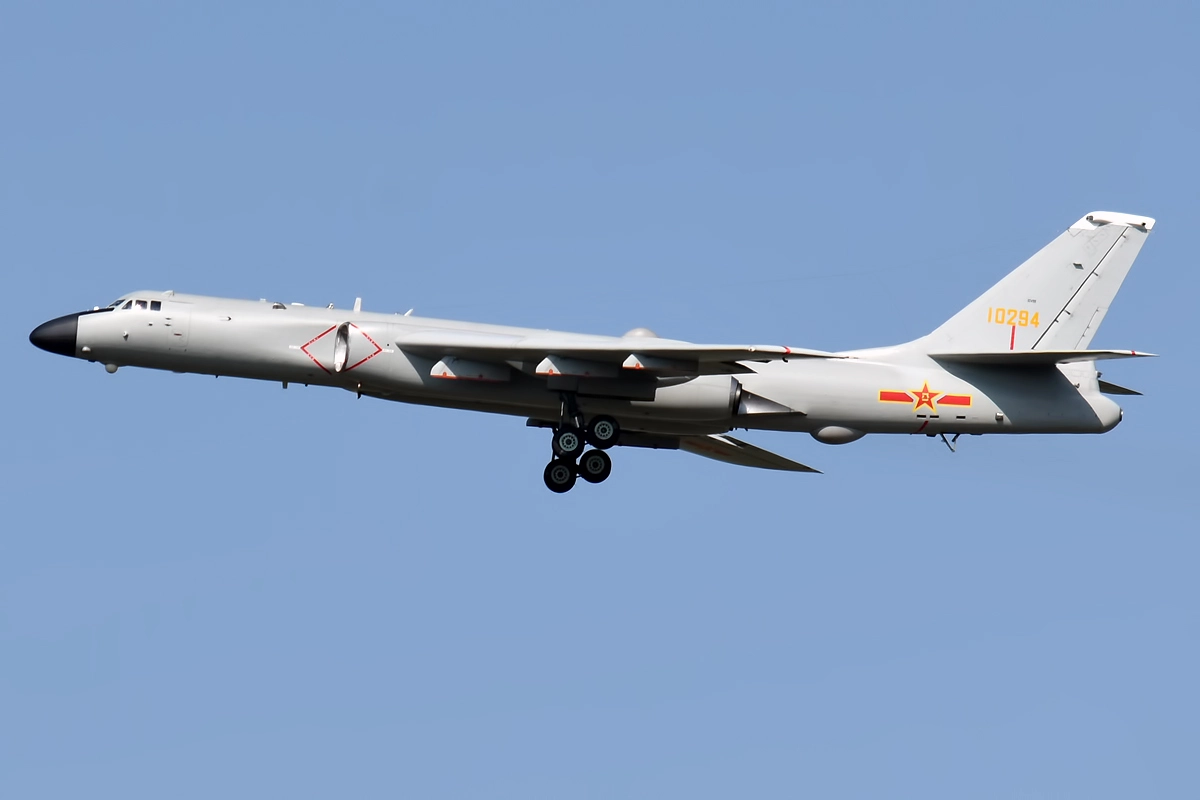
The evolving relationship has direct consequences for U.S. air strategy in Southeast Asia, especially regarding access to forward operating locations. U-Tapao, a strategically located naval airfield, has long supported U.S. airlift and refueling missions linking the Middle East and the Pacific.
Analysts now assess that U.S. access to Thai bases during a regional conflict, particularly involving Taiwan, cannot be assumed.
This uncertainty also affects missile basing options and limits the scope of advanced aviation technology the United States is willing to deploy or share with Thai forces.
Thailand’s failed bid to acquire F-35 fighter jets in 2023 illustrates these constraints.
U.S. officials reportedly weighed Thailand’s close defense ties with China when denying the request, reflecting broader concerns about technology security and intelligence exposure.

Bottom Line
Thailand’s strategic tilt toward China is reshaping one of Asia’s oldest defense alliances, with lasting effects on U.S. aviation access, basing flexibility, and regional deterrence planning.
While formal ties and joint exercises continue, trust and alignment have weakened on both sides.
As Washington narrows its regional focus toward maritime flashpoints and island-based allies, mainland Southeast Asia risks sliding down the strategic priority list.
The result is a gradual erosion of U.S. influence, leaving Thailand’s treaty alliance increasingly symbolic rather than operational.
Stay tuned with us. Further, follow us on social media for the latest updates.
Join us on Telegram Group for the Latest Aviation Updates. Subsequently, follow us on Google News
