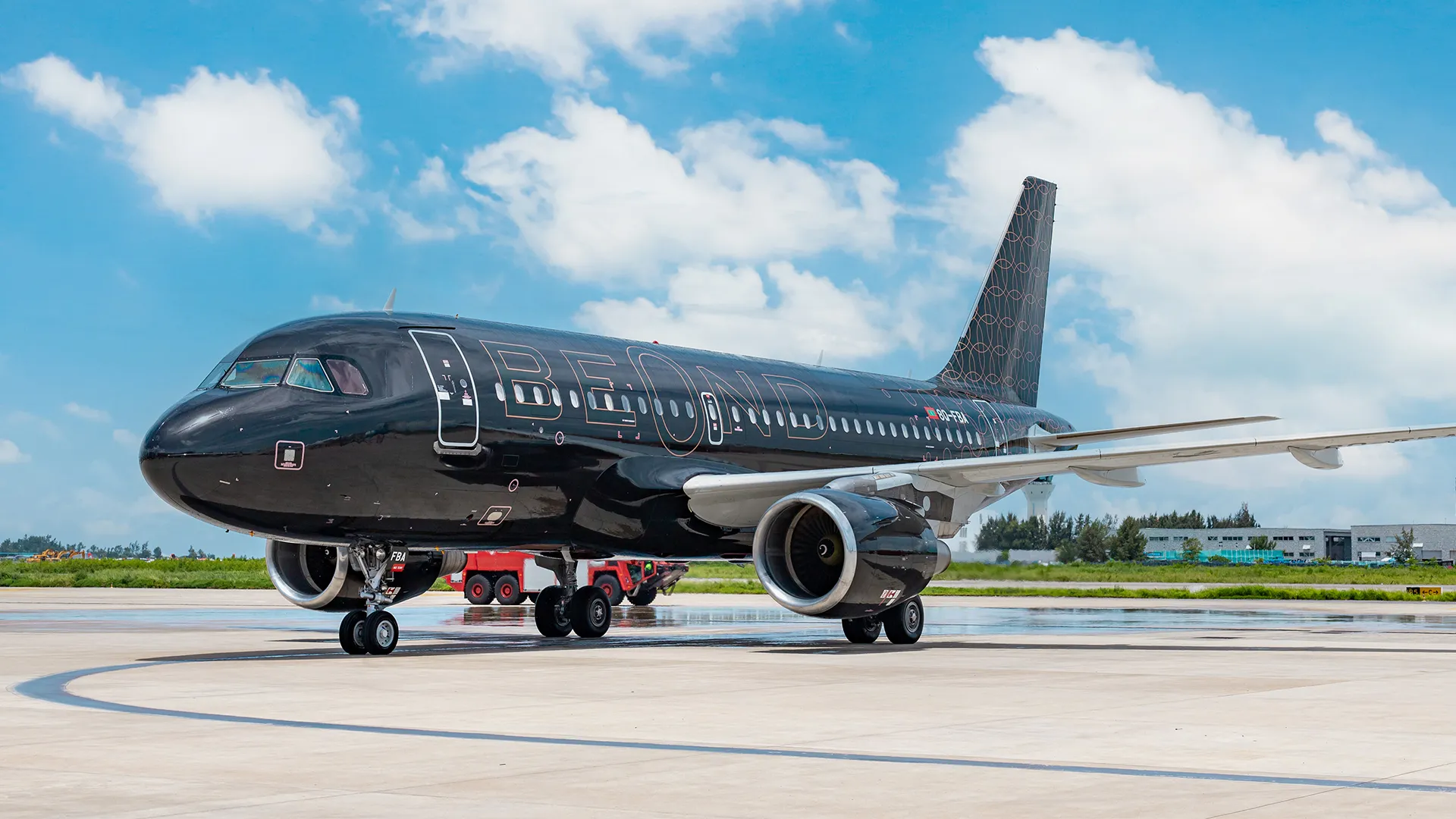
MALDIVES- Premium leisure carrier beOnd (B4) announced plans to launch an all-business-class U.S. airline, beOnd America. The project was unveiled just weeks before its expected U.S. operating partner, New Pacific Airlines (ANC), ceased operations, creating significant uncertainty around the proposed Los Angeles (LAX) and domestic-focused launch strategy.
Despite losing its first partner, the company maintains that an October 2026 debut remains achievable. Executives say they are in discussions with new U.S. investors and aim to begin operations using two Airbus A320 aircraft under a franchise-style model.
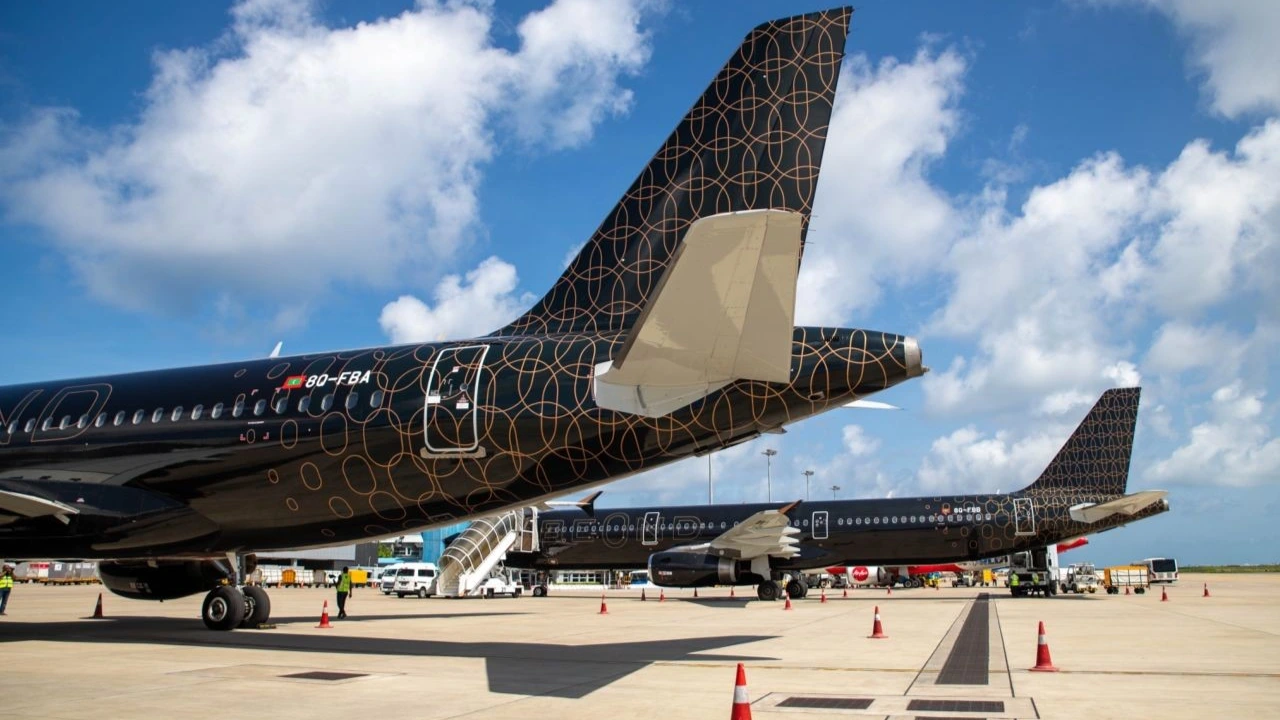
beOnd America’s Launch Uncertainty
beOnd America intends to operate U.S. domestic routes first, with long-term visibility toward Hawaii and select international markets pending regulatory approvals.
The company must still meet stringent U.S. ownership requirements, which mandate that 75 percent of any U.S. carrier be held by domestic investors. This rule complicates foreign investment structures and places additional reliance on strong local backers.
Leadership also disclosed that they are raising an additional $100 million to support expansion, separate from the $90 million previously acquired. This gap suggests that comprehensive funding for the U.S. operation is not yet secured.
The airline insists, however, that their franchise model allows flexibility and minimizes delays, even as capital requirements and regulatory obligations remain substantial.
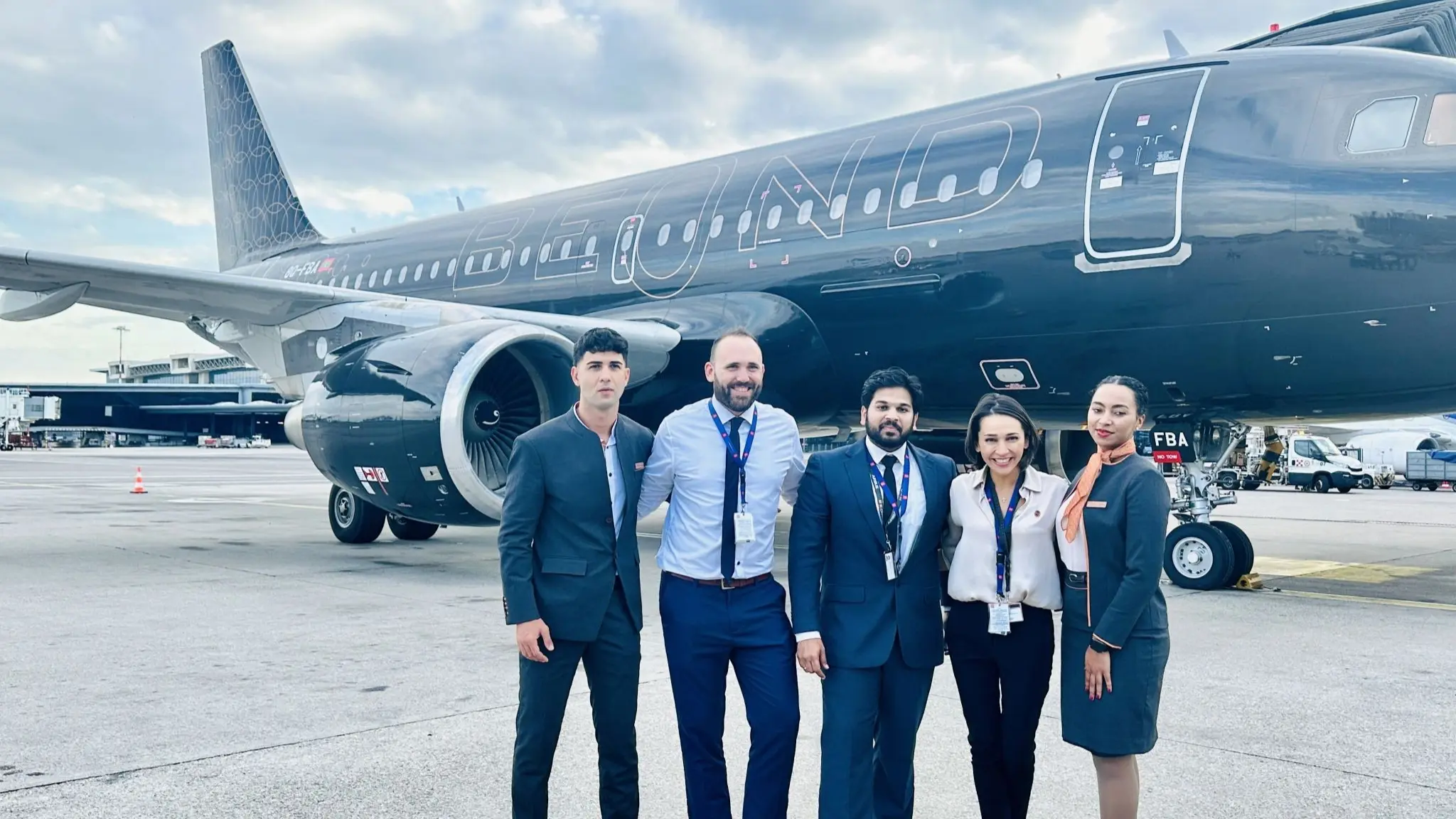
Expansion Ambitions
Beyond the U.S. market, the company has outlined aggressive expansion targets. Plans call for basing 20 aircraft in Saudi Arabia by 2030 and building a global fleet of 56 aircraft, with hubs in the Maldives, India, the United States, and multiple Gulf states.
The scale of this strategy signals ambitions far larger than a niche premium operator typically attempts.
Industry observers note that the concept of an all-business-class leisure carrier presents structural challenges. Premium demand can fluctuate sharply by season, and narrowbody aircraft configured with 44 to 68 seats face higher per-seat operating costs.
Without the ability to downgrade surplus seats to economy, revenue risks become more pronounced. Competitors often avoid this limitation by offering both premium and standard seating, giving them flexibility that all-business operators do not have.

Market Opportunities
Analysts suggest that certain niche markets could support an all-business-class model within the U.S. For example, winter-season traffic from the Northeast to Caribbean destinations like Turks and Caicos, St. Lucia, or Barbados may generate sufficient high-yield demand.
Similarly, West Coast to Hawaii routes may offer potential if the airline achieves ETOPS certification.
Short-term event-driven traffic could also support premium services, including flights to Las Vegas during major conventions or to Austin, Miami, and other cities hosting large global events.
However, these markets tend to be sporadic, and irregular schedules make loyalty program development difficult.
At present, beOnd does not operate a U.S.-based frequent flyer program that could drive long-term customer retention.
Industry skepticism remains high due to the company’s past challenges in meeting growth timelines and the collapse of its initial U.S. partner.
While the airline continues to promote its luxury-focused vision, consistent execution will be essential to hold investor confidence and attract premium travelers.

Bottom Line
beOnd America continues to target an October 2026 debut despite funding gaps, regulatory hurdles, and the loss of its former partner.
While demand exists in a few premium leisure markets, the airline must demonstrate operational discipline and financial stability to succeed with an all-business-class model in the United States.
Stay tuned with us. Further, follow us on social media for the latest updates.
Join us on Telegram Group for the Latest Aviation Updates. Subsequently, follow us on Google News