


WASHINGTON- The announcement surfaced during interviews as officials and travelers reacted to Senator Bernie Moreno’s plan to end dual citizenship in the United States (US). The proposal signals a significant shift in how the country may define national identity and citizenship obligations.
Moreno’s bill would require Americans holding more than one nationality to choose a single citizenship and would automatically revoke US citizenship for anyone who applies for a foreign one in the future.
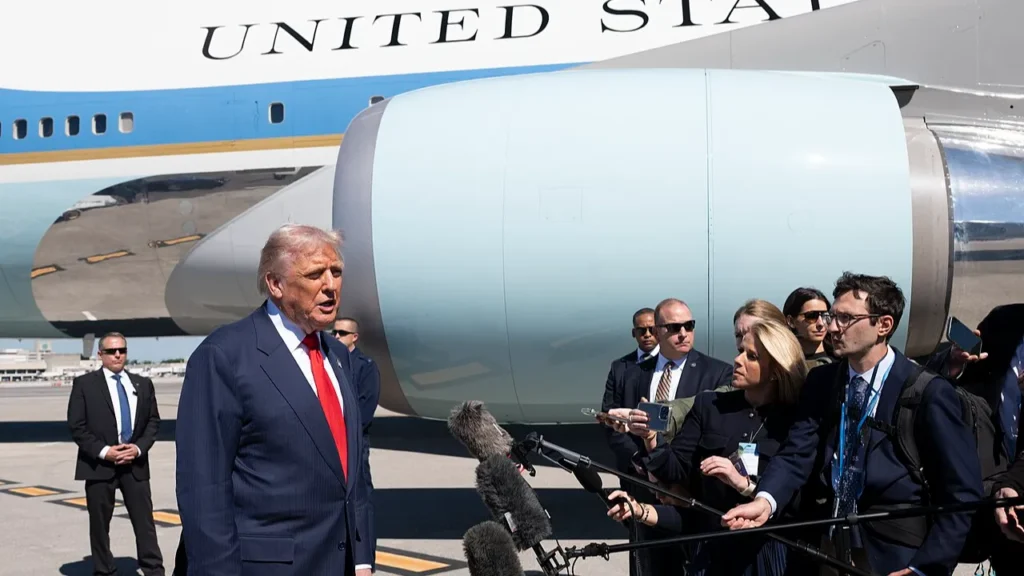
US Seeks to End Citizenship
The Exclusive Citizenship Act of 2025 seeks to eliminate dual nationality for all US citizens. The draft argues that multiple citizenships can create conflicts of interest, especially in matters involving national security, public service, and federal obligations.
The legislation outlines a clear transition period. Individuals with dual citizenship would have one year to either renounce their foreign nationality or declare their intention to relinquish US citizenship. Those who do nothing would be classified as having voluntarily given up their US status.
The bill assigns the Department of Homeland Security and the State Department responsibility for tracking, recording, and enforcing these changes. Once a person is reclassified as a foreign national, immigration laws would apply to them like any other noncitizen.
The proposal also revives long-standing debates in Congress, where previous attempts included mandatory disclosure of foreign citizenship among lawmakers and restrictions on dual citizens serving in certain roles.

Historical Precedent
Supreme Court rulings dating back to the 1950s have upheld the legality of dual citizenship in the United States. Any new restriction would almost certainly face legal challenges.
The Trump administration focused on birthright citizenship rather than dual nationality, and no formal stance was taken on restricting multiple nationalities.
This legislative push marks one of the most direct efforts to reverse decades of legal acceptance.

Public Reaction and Policy Implications
Critics argue that ending dual citizenship offers few practical benefits and risks driving more people to renounce their US citizenship altogether.
The United States already taxes citizens on worldwide income, which means dual nationals contribute to the system regardless of residency. Others note that most countries that prohibit dual nationality are concentrated in Africa and Asia, while the Americas and Europe generally permit it.
The proposal raises broad questions about loyalty, national taxation, individual rights, and the evolving landscape of global mobility.
Stay tuned with us. Further, follow us on social media for the latest updates.
Join us on Telegram Group for the Latest Aviation Updates. Subsequently, follow us on Google News
