
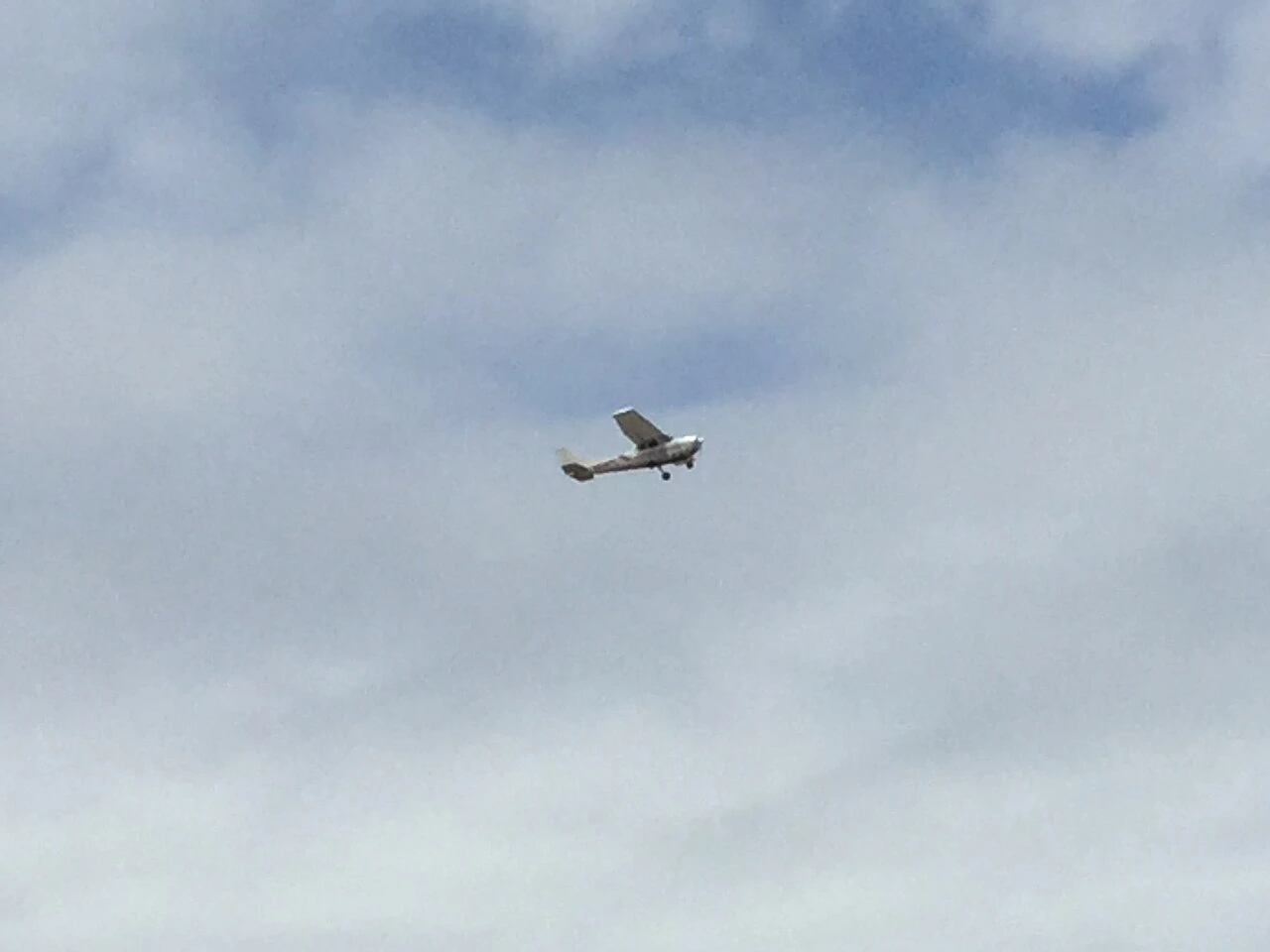
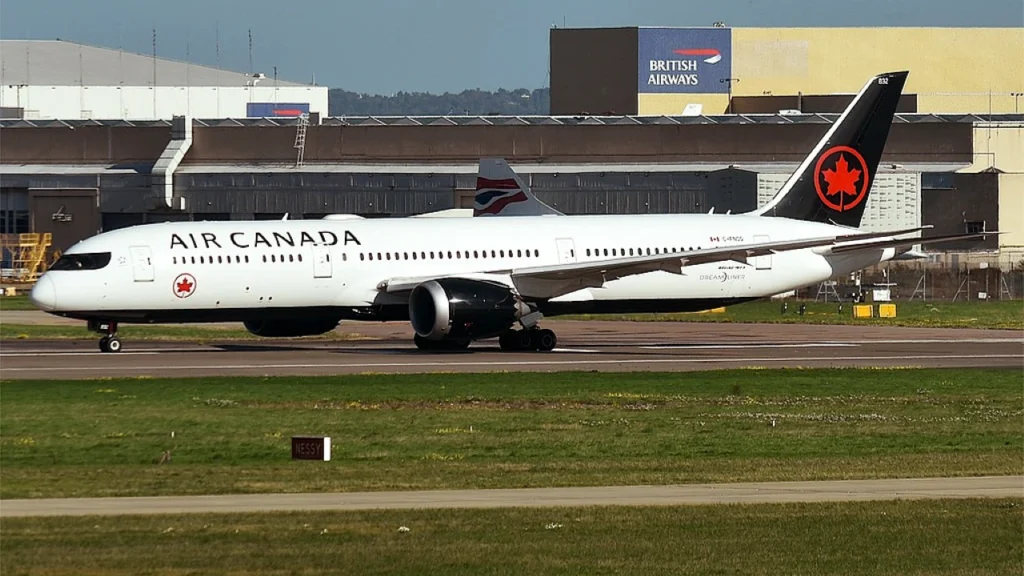
PALM SPRINGS – An Air Canada (AC) Boeing 737 MAX 8 received a Traffic Collision Avoidance System (TCAS) resolution advisory after encountering an unresponsive Cessna while departing Palm Springs International Airport (PSP) in California on November 17. The aircraft was climbing toward Vancouver International Airport (YVR) when the onboard system detected conflicting traffic at approximately 11,400 feet.
The pilots responded to the alert by climbing to 12,000 feet, following the system’s instructions to increase vertical separation from the smaller aircraft. The flight continued to Vancouver without diverting or returning to Palm Springs, completing the journey safely after the reported encounter.

TCAS Alert During Departure Climb
Air Canada flight AC1769 departed Palm Springs at approximately 12:45 PM local time on November 17, operating Boeing 737 MAX 8 registered C-FSDB. The aircraft took off from Runway 31R and began climbing toward Canada when the crew encountered the Cessna.
The smaller aircraft reportedly failed to respond during the encounter, prompting the 737 MAX 8’s collision-avoidance system to issue a resolution advisory. The alert instructed the pilots to climb from approximately 11,400 feet to 12,000 feet, requiring a change in the aircraft’s vertical flight path.
The maneuver added around 600 feet to the aircraft’s altitude as the crew responded to the potential traffic conflict. Details about the Cessna’s flight path, registration, and position remain unavailable.
How TCAS Works During Emergencies
TCAS monitors nearby aircraft using information transmitted through their onboard transponders. When the system identifies a potential collision threat, it can issue a traffic advisory to alert pilots or a resolution advisory that recommends a specific vertical maneuver.
Resolution advisories can instruct pilots to climb, descend, or adjust their vertical movement to maintain separation from another aircraft.
The system operates independently of air traffic control instructions, providing an additional safety layer when aircraft approach dangerously close to one another.
In this incident, the reported alert required the Air Canada pilots to climb. However, available information does not establish whether the Cessna failed to respond to radio calls, an air traffic control instruction, or another form of communication.
Flight Lands Safely In Vancouver
Despite the alert during departure, AC1769 continued its scheduled flight to Vancouver without reporting another incident. Flight-tracking information shows the Boeing 737 MAX 8 landed at Vancouver International Airport at approximately 4:42 PM local time, Simple Flying flagged.
The aircraft completed the Palm Springs–Vancouver journey in around two hours and 40 minutes, according to flight-tracking records. No diversion, emergency landing, or further operational disruption was reported following the encounter.
The circumstances surrounding the traffic conflict remain unclear, including the minimum distance between the aircraft and the reason the Cessna was reportedly unresponsive.
No official findings have established what happened, leaving the encounter as a reminder of the role onboard collision-avoidance systems play in protecting aircraft during climb-out.
Stay tuned with us. Further, follow us on social media for the latest updates.
Join us on Telegram Group for the Latest Aviation Updates. Subsequently, follow us on Google News
