


TOULOUSE – Europe’s aviation regulator has expanded its inspection requirements for the Airbus A380 after concerns about cracks developing in the aircraft’s wing mid-spar structure. The European Union Aviation Safety Agency (EASA) now requires 24 superjumbos to undergo inspections, increasing the number covered by its previous directive by eight aircraft.
The updated Airworthiness Directive (AD) 2026-0216 took effect on November 18, 2026, replacing the emergency directive issued in June. The regulator considers the measure an interim safety action while further assessments continue into the structural issue affecting the aircraft’s wings
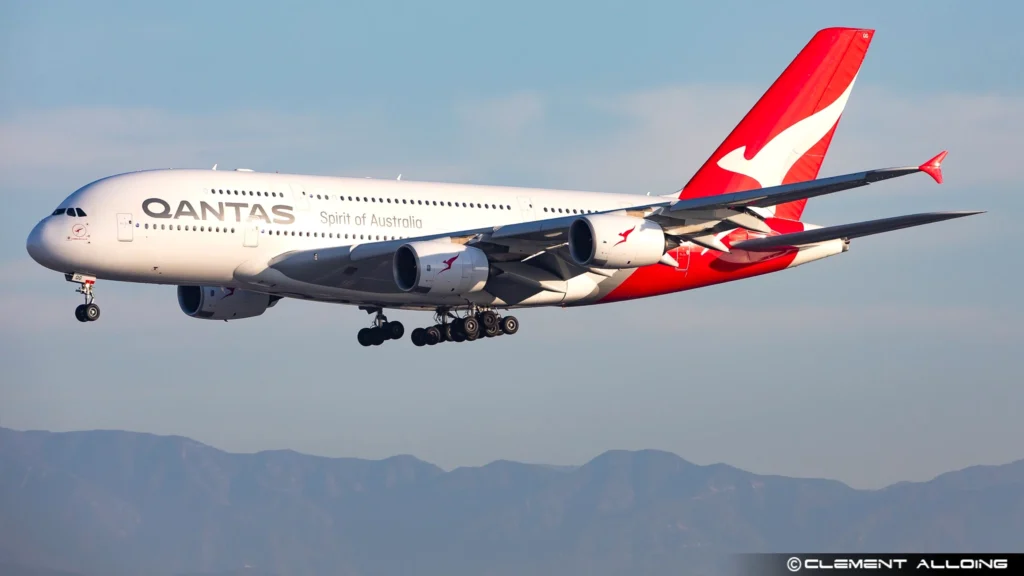
Expanded A380 Inspection List Announced
The revised directive covers 22 Emirates (EK), one Etihad Airways (EY) aircraft and one Qantas (QF) aircraft. Emirates remains the largest operator affected by the order, while Etihad’s inclusion marks a new development in the inspection programme.
The eight newly added aircraft must complete their inspections by January 31, 2027.
EASA has established different compliance deadlines depending on the aircraft’s manufacturer serial number (MSN), with some aircraft requiring inspection before their next flight and others allowed up to 25 flight cycles.
The inspection programme requires operators to contact Airbus for specific instructions or follow the manufacturer’s updated inspection procedure. If technicians identify cracks or other discrepancies, operators must contact Airbus for repair instructions before the aircraft flies again.

A380 Wing Crack Concerns Continue Growing
The latest action follows previous inspections that identified cracks in the wing mid-spars of several Airbus A380 aircraft. These components help maintain the structural strength of the wings, and undetected damage could compromise their integrity.
EASA’s earlier directive in December 2025 required inspections across the A380 fleet after cracks were reported in multiple aircraft. The regulator subsequently issued an emergency directive in June 2026 after inspection findings indicated that certain aircraft required more urgent attention.
The June directive covered 16 aircraft, including 15 Emirates A380s and one Qantas aircraft.
Five Emirates aircraft, identified by serial numbers MSN 190, 202, 203, 209 and 228, had to remain grounded until the required inspections were completed, while the remaining aircraft had 25 flight cycles to comply.
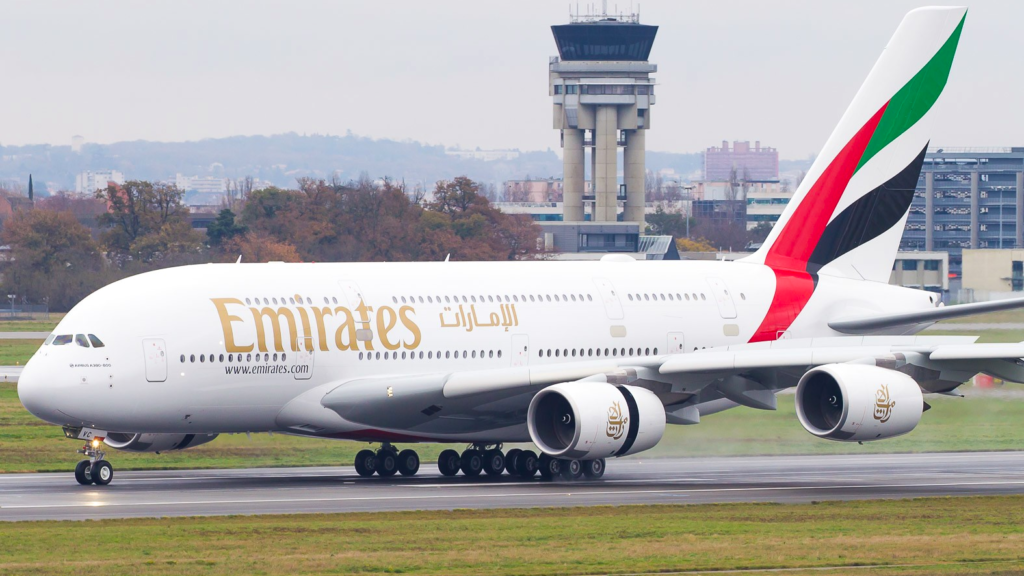
Previous A380 Safety Directives Issued
The wing-spar inspection programme dates back to 2023, with subsequent directives expanding the scope and urgency of inspections, Aviacioline reported.
Investigations have also linked hydrogen embrittlement to faster crack development in some A380 wing spars, particularly on aircraft that spent extended periods in storage.
Airbus previously stated that inspection findings would help determine whether aircraft required repairs or could return to commercial operations. The manufacturer continues to work with EASA on assessing the affected structures and determining appropriate corrective actions.
The latest directive remains an interim measure, meaning further regulatory action could follow as inspection results and technical assessments become available.
Operators must also report inspection findings to Airbus within the specified reporting period, including cases where technicians discover no cracks.
Stay tuned with us. Further, follow us on social media for the latest updates.
Join us on Telegram Group for the Latest Aviation Updates. Subsequently, follow us on Google News
