

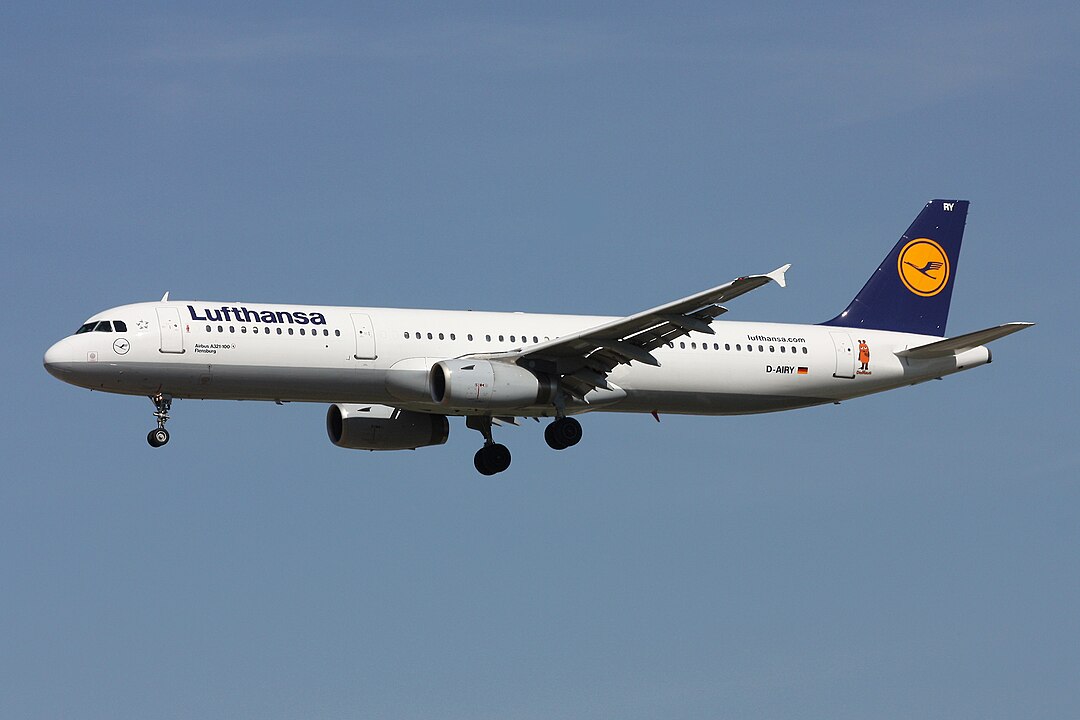
COLOGNE- Lufthansa (LH) flight LH 687 from Tel Aviv (TLV) to Frankfurt (FRA) diverted to Belgrade (BEG) on Sunday, November 15, 2026, after a flight attendant reportedly suffered a life-threatening allergic reaction to sesame.
A failed EpiPen attempt led to a frantic search for epinephrine in the onboard medical kit. An intensive care doctor travelling as a passenger then administered the medication, prompting the pilots to divert the aircraft.

Passenger Doctor Treats Flight Attendant Mid-Flight
Flight LH-687 was flying at an altitude of around 34,000 feet over Bosnia and Herzegovina when the medical emergency developed.
According to eyewitness accounts, a flight attendant had accidentally eaten food containing sesame, an ingredient to which the crew member had a severe allergy.
A coworker raced to get an EpiPen and tried to administer the medication, but the injection did not reach the affected flight attendant. PYOK reported that another medical professional on board accidentally discharged the auto-injector into the air while demonstrating how it worked.
Fortunately, one of the passengers happened to be Dr. Uriel Trahtemberg, director of the Intensive Care Unit at Galilee Medical Center in Nahariya, northern Israel.
Two other doctors, a gynaecologist and a neurologist, were already helping the affected crew member when Dr. Trahtemberg joined them. He requested the specialist onboard medical kit to look for medication that could treat the allergic reaction.
With time running out, he found epinephrine in vial form, prepared the medication and administered an injection.
Flight attendants were not trained or permitted to administer epinephrine from a vial using a syringe. The procedure therefore required assistance from a medically qualified professional travelling on the aircraft.
Dr. Trahtemberg successfully administered the medication, helping to stabilise the flight attendant. However, he knew the situation remained a medical emergency because the effects of epinephrine can be temporary.
He spoke to the pilots and requested an immediate landing so the affected crew member could receive hospital treatment.
Dr. Trahtemberg later downplayed his role when speaking to Israeli media.
“I gave someone medical treatment. I don’t know if that’s heroism… We did what was needed, the way it was needed.”
Lufthansa Flight Details
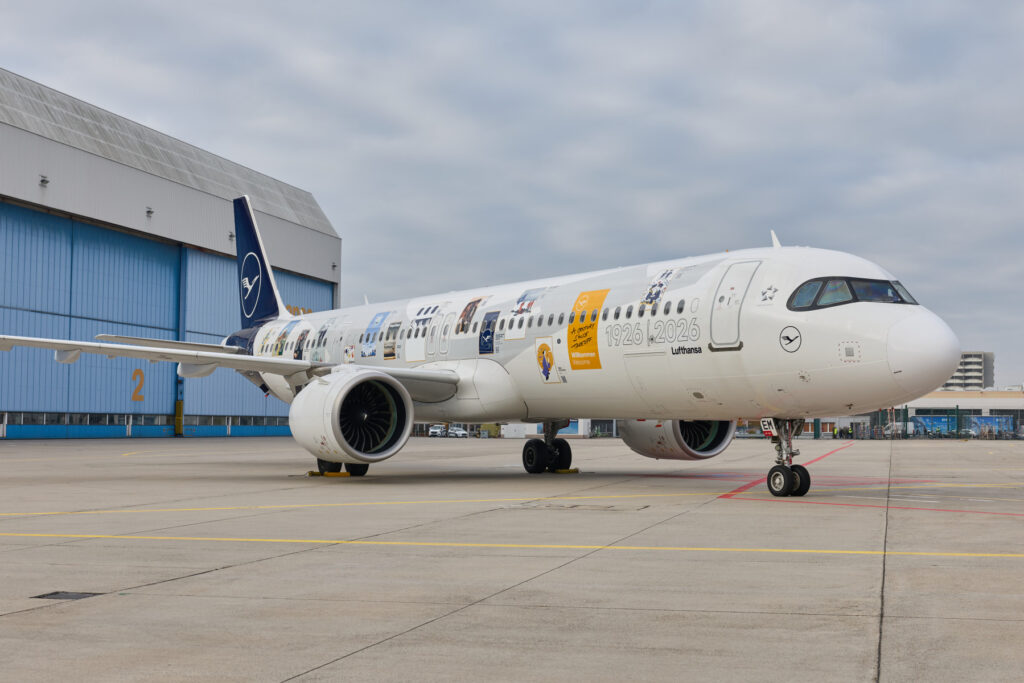
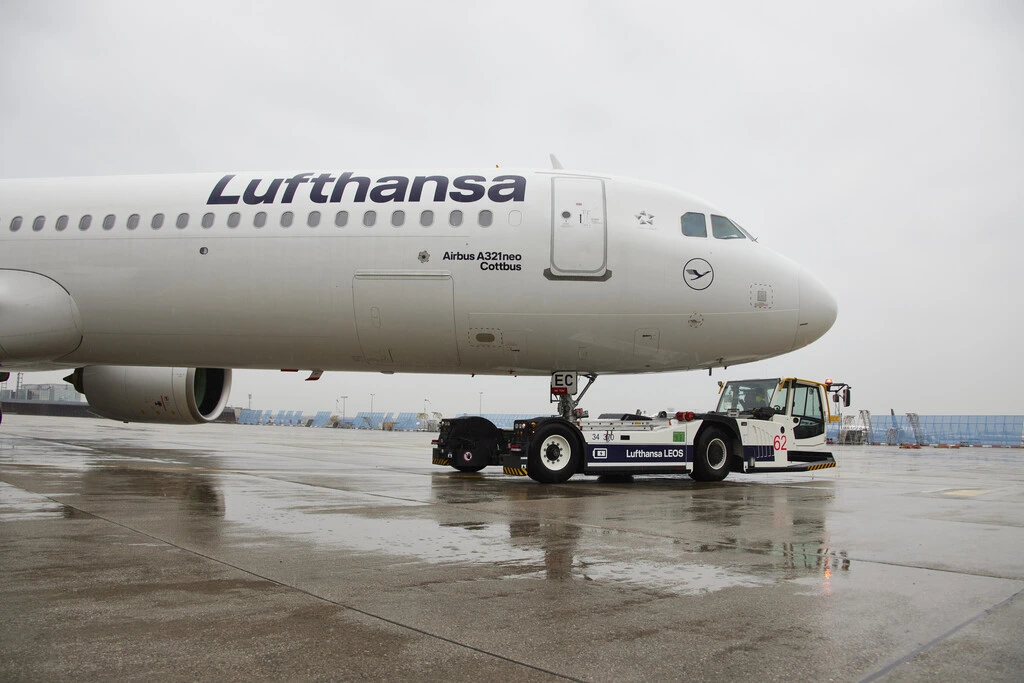
Lufthansa operated the flight using an Airbus A321 registered D-AIEQ.
| Detail | Information |
|---|---|
| Operator | Lufthansa |
| Aircraft type | Airbus A321neo |
| Registration | D-AIEQ |
| Flight number | LH-687 |
| Departure | Tel Aviv |
| Destination | Frankfurt |
| Diversion | Belgrade |
| Refuelling stop | Vienna |
| Date | November 15, 2026 |
Lufthansa Confirms Emergency Diversion
A Lufthansa spokesperson confirmed in an emailed statement that the aircraft diverted to Belgrade after a crew member became ill. The airline also confirmed that a replacement crew was flown to Belgrade.
The statement read:
“Lufthansa flight LH-687 from Tel Aviv to Frankfurt made an unscheduled landing in Belgrade on Sunday, November 15, 2026, after a crew member became ill. A replacement crew was flown to Belgrade.”
The airline explained that the aircraft could not refuel in Belgrade and needed another stop in Vienna before continuing to Frankfurt.
“As refuelling was not possible there, the aircraft made a refuelling stop in Vienna before continuing to Frankfurt, where it landed at around 5:00 a.m. We regret the resulting delay for our passengers. The safety of passengers and crews is always the Lufthansa Group’s highest priority.”
The aircraft reached Belgrade approximately 20 to 25 minutes after the pilots were asked to divert. Local paramedics were waiting when it landed and took the affected flight attendant to a nearby hospital.
The replacement crew then took over the flight, which continued to Frankfurt after the additional refuelling stop in Vienna. It arrived at approximately 5:00 a.m. on Monday, November 16.
Epinephrine Requirements for Airline Medical Kits
Epinephrine is an important medication for treating anaphylaxis, a severe allergic reaction that can become life-threatening within minutes.
Under existing US Federal Aviation Administration (FAA) requirements for Part 121 airlines, emergency medical kits must carry epinephrine in injectable vial or ampoule format. The rules do not specifically require EpiPen-style auto-injectors.
Vial-based epinephrine requires preparation and administration using a syringe. An auto-injector is designed to deliver a measured dose without the same preparation, making it easier for trained non-medical personnel, including cabin crew, to use.
Lufthansa also voluntarily carries EpiPens in its medical kits alongside vial-based epinephrine. However, the airline’s statement about this particular flight did not confirm the exact medication formats available in the kit.

FAA Proposal Disappoints Allergy Campaigners
In the United States, allergy campaigners have been pushing for airlines to carry EpiPen-style auto-injectors alongside vial-based epinephrine.
However, an FAA proposal published on August 5, 2026, could give airlines greater freedom to choose the medications and equipment carried in their emergency medical kits.
The proposed rule would replace the existing fixed list of required items under 14 CFR Part 121 with a performance-based standard under a new section, 121.807.
Under the proposal, airlines would have to equip their emergency medical kits with sufficient resources to address at least 9 life-threatening medical conditions. These include cardiac emergencies, breathing problems, seizures, major bleeding, opioid overdoses, low blood sugar, gastrointestinal emergencies, anaphylaxis and childbirth.
For anaphylaxis, the FAA says treatment options could include epinephrine. However, the proposal does not explicitly require the medication in the same way as the existing fixed list.
The FAA explained that the change would allow airlines to adapt their medical kits when new treatments become available or when particular medications are difficult to obtain. Airlines could choose alternative treatments as long as their kits remained capable of addressing the specified medical emergencies.
The proposal raised concerns among allergy campaigners because it could remove the existing specific requirement for epinephrine rather than introduce a requirement for easier-to-use auto-injectors.
On October 5, as the public comment period closed, Senator Tammy Duckworth, Senate Democratic Leader Chuck Schumer and Representative Doris Matsui led a group of lawmakers in calling on the FAA to guarantee that every commercial aircraft’s emergency medical kit included epinephrine.
The lawmakers urged the agency to maintain access to the medication rather than make its availability dependent on individual airline decisions.
Why Anaphylaxis Requires Emergency Landing
A severe allergic reaction can cause swelling of the mouth, throat and tongue, making it difficult for a person to breathe. In serious cases, anaphylaxis can also affect blood circulation, cause loss of consciousness and become fatal without immediate treatment.
Epinephrine helps reverse these symptoms, but its effects may only last for a limited period. A patient who suffers anaphylactic shock during a flight therefore needs urgent medical attention even after receiving the medication.
In the Lufthansa incident, the passenger doctor’s intervention helped stabilise the affected flight attendant. However, the pilots still needed to divert to ensure the crew member could receive further treatment at a hospital.
Stay tuned with us. Further, follow us on social media for the latest updates.
Join us on Telegram Group for the Latest Aviation Updates. Subsequently, follow us on Google News
