


FORT BELVOIR, VIRGINIA- The Defence Logistics Agency (DLA) committed $2 billion in fiscal year 2026 to purchase strategic and critical materials for the U.S. National Defence Stockpile, strengthening the country’s Defence supply chains. The agency announced the commitment on November 6, 2026.
The initiative aims to strengthen domestic production of critical minerals and reduce dependence on vulnerable foreign suppliers. DLA Strategic Materials Director Eric Mata said most mineral contracts were designed to encourage American companies to establish or expand production capacity.

DLA Targets Critical Mineral Supply Chain Vulnerabilities
The Defense Logistics Agency manages the National Defense Stockpile, a federal reserve of strategic raw materials intended to support military operations and essential civilian requirements during national emergencies.
The $2 billion commitment reflects the U.S. government’s efforts to secure reliable access to materials required across its defence industrial base. These resources are particularly important when global supply chains depend on a limited number of suppliers or countries.
Eric Mata said most critical mineral contracts awarded through DLA’s Contracting Services Office were structured as targeted demand signals. These agreements provide domestic producers with greater confidence in future demand, encouraging them to invest in mining, processing, refining and manufacturing capabilities.
Mata explained that domestic sourcing becomes particularly important when materials are essential to national defence, difficult to replace and unavailable from reliable suppliers in the quantities or forms required.
The strategy also aims to help American companies plan production, retain skilled workers and expand their manufacturing operations where economically viable.
Materials supported through these agreements contribute to several defence-related industries, including aerospace, maritime, ground systems, space, communications and munitions production, Defense Blog reported.
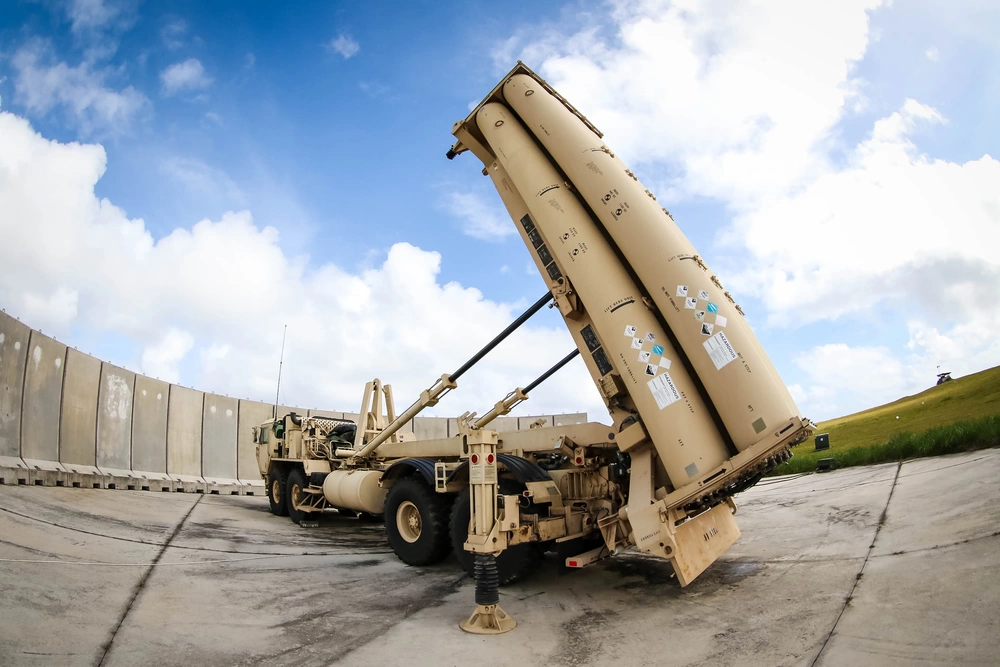
National Defense Stockpile Covers Multiple Strategic Materials
The National Defense Stockpile contains raw materials required to maintain military and essential industrial capabilities during major supply chain disruptions.
DLA’s procurement activities cover a broad range of strategic materials, from high-purity aluminium to vanadium pentoxide. The agency can obtain these materials through mining, recycling, recovery, refining, and processing rather than relying exclusively on newly mined resources.
Photographs released alongside the November 6 announcement illustrated the variety of materials held in the reserve. They included approximately 35,000 metric tons of tin stored at a warehouse in Hammond, Indiana, ferromanganese at Point Pleasant, West Virginia, and germanium ingots.
These materials support different stages of defence manufacturing. Strategic metals are important for producing specialised components, electronic systems, industrial equipment and military hardware.
However, the National Defense Stockpile does not operate as a commercial reserve that manufacturers can access during ordinary market shortages.
Federal law establishes specific conditions for releasing stockpiled materials. The President can authorise a release when necessary for national defence. Additional authority can apply during a declared war or national emergency, subject to the statutory delegation requirements.
Consequently, the stockpile serves primarily as a national security safeguard rather than a regular source of raw materials for commercial industries.

US Congress Allocates Billions for Critical Mineral Security
The latest procurement initiative follows a major funding expansion under the One Big Beautiful Bill Act, signed into law on July 4, 2025.
Section 20004 of Public Law 119-21 appropriated $2 billion to the National Defense Stockpile Transaction Fund to improve the United States’ critical mineral reserves. The funding remains available through September 30, 2029.
The legislation also allocated another $5 billion to the Industrial Base Fund for investments in critical mineral supply chains. These investments are intended to strengthen domestic production and address vulnerabilities affecting the broader defence industrial base.
DLA’s fiscal year 2027 budget estimates provide an earlier snapshot of the stockpile funding. As of April 2026, the agency reported that it had executed $174.7 million from the $2 billion appropriation, while another $573 million remained in commitment status.
That earlier financial update does not provide a reconciliation with the agency’s subsequent November 6 announcement of $2 billion in fiscal year 2026 commitments.
DLA has not published a complete breakdown identifying the materials purchased, individual suppliers, quantities or financial obligations associated with its latest figure. It has also not clarified how much represents completed payments compared with longer-term procurement commitments.

Elmet Technologies Secures Major Tungsten Stockpile Contract
One of the largest publicly disclosed National Defense Stockpile procurement agreements during fiscal year 2026 involved Elmet Technologies, a subsidiary of The Elmet Group.
On September 14, 2026, Elmet Technologies announced an indefinite-delivery, indefinite-quantity (IDIQ) contract with DLA valued at up to $2 billion.
The agreement covers the supply of tungsten ores, concentrates and sodium tungstate to DLA Strategic Materials. It includes a five-year base ordering period through August 30, 2031, with an additional two-year extension option through August 30, 2033.
However, the $2 billion represents the contract’s maximum ceiling rather than guaranteed purchases. The agreement includes a funded minimum commitment of $150 million.
The distinction is important because an IDIQ contract establishes a framework for ordering materials over time. The government can place delivery orders as requirements and available supplies develop, without automatically purchasing the entire contract ceiling.
The tungsten agreement is also connected to a separate $450 million committed investment from the Department of War in The Elmet Group. The investment aims to expand domestic tungsten manufacturing, strengthen mining and processing capabilities and secure long-term access to critical raw materials.
The company plans to invest more than $165 million in its manufacturing facilities in Maine, Michigan and Ohio, while also expanding mining and processing partnerships in the United States and allied countries.
Elmet Technologies subsequently announced another DLA contract on September 30, 2026, valued at approximately $36 million.
The separate agreement covers high-performance molybdenum and tungsten alloys, including specialised wire and titanium-zirconium-molybdenum materials used in jet engine components and other demanding aerospace applications.
DLA has not explained whether the publicly disclosed Elmet awards, including the $2 billion tungsten contract ceiling, are included in its aggregate fiscal year 2026 commitment figure.

Earlier Antimony Contract Highlights Procurement Strategy
DLA’s procurement strategy also includes agreements for other minerals required by defence and industrial manufacturers.
In September 2025, United States Antimony Corporation secured a five-year IDIQ contract worth up to $245 million to supply antimony metal ingots to the National Defense Stockpile.
The agreement covers antimony ingots with 99.65% purity and runs through September 2030.
The company subsequently disclosed an initial delivery order for 315,000 pounds of antimony metal ingots, valued at approximately $10 million.
The difference between the contract’s $245 million maximum value and its initial $10 million order demonstrates why procurement ceilings should not be treated as completed government expenditure.
The Financial Times also reported in September 2025 that DLA planned to purchase up to $1 billion in critical minerals, including cobalt, tantalum and scandium.
Together, these agreements highlight the government’s efforts to establish longer-term demand for materials that face supply constraints or concentrated global production.
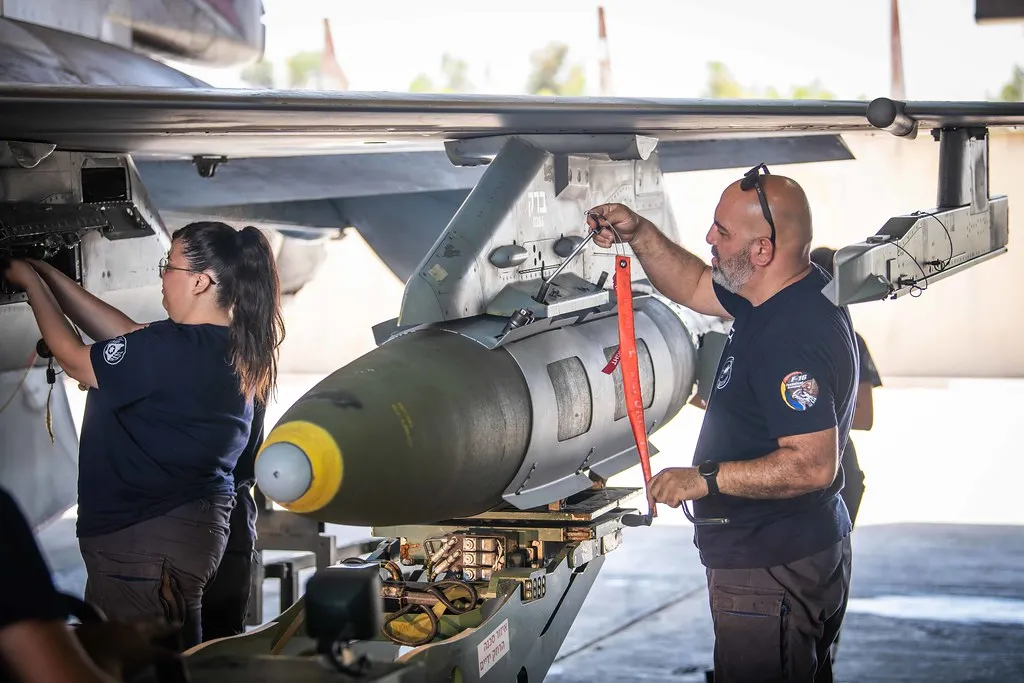
GAO Identifies Gaps in US Critical Material Planning
Despite the increased funding and procurement activity, the U.S. government continues to face challenges in identifying and predicting its long-term requirements for strategic materials.
A September 2024 Government Accountability Office (GAO) report found that the Department of Defense lacked the necessary information to model requirements for more than 40% of its strategic and critical materials.
The report also identified a significant increase in material shortfalls. Between fiscal years 2019 and 2023, the number of materials reported in shortfall increased from 37 to 99, representing a 167% rise.
More than 90% of the materials identified as being in shortfall during fiscal year 2023 had zero or one domestic supplier.
GAO warned that insufficient information could prevent the Pentagon from accurately identifying future material shortages and maintaining adequate stockpile levels.
The findings highlight the importance of improving procurement planning alongside increasing financial commitments.
DLA’s $2 billion initiative represents a major effort to strengthen the National Defense Stockpile and encourage domestic critical mineral production. However, the programme’s long-term effectiveness will depend on transparent procurement disclosures, reliable material availability and the development of additional domestic mining and processing capacity.
Stay tuned with us. Further, follow us on social media for the latest updates.
Join us on Telegram Group for the Latest Aviation Updates. Subsequently, follow us on Google News
