

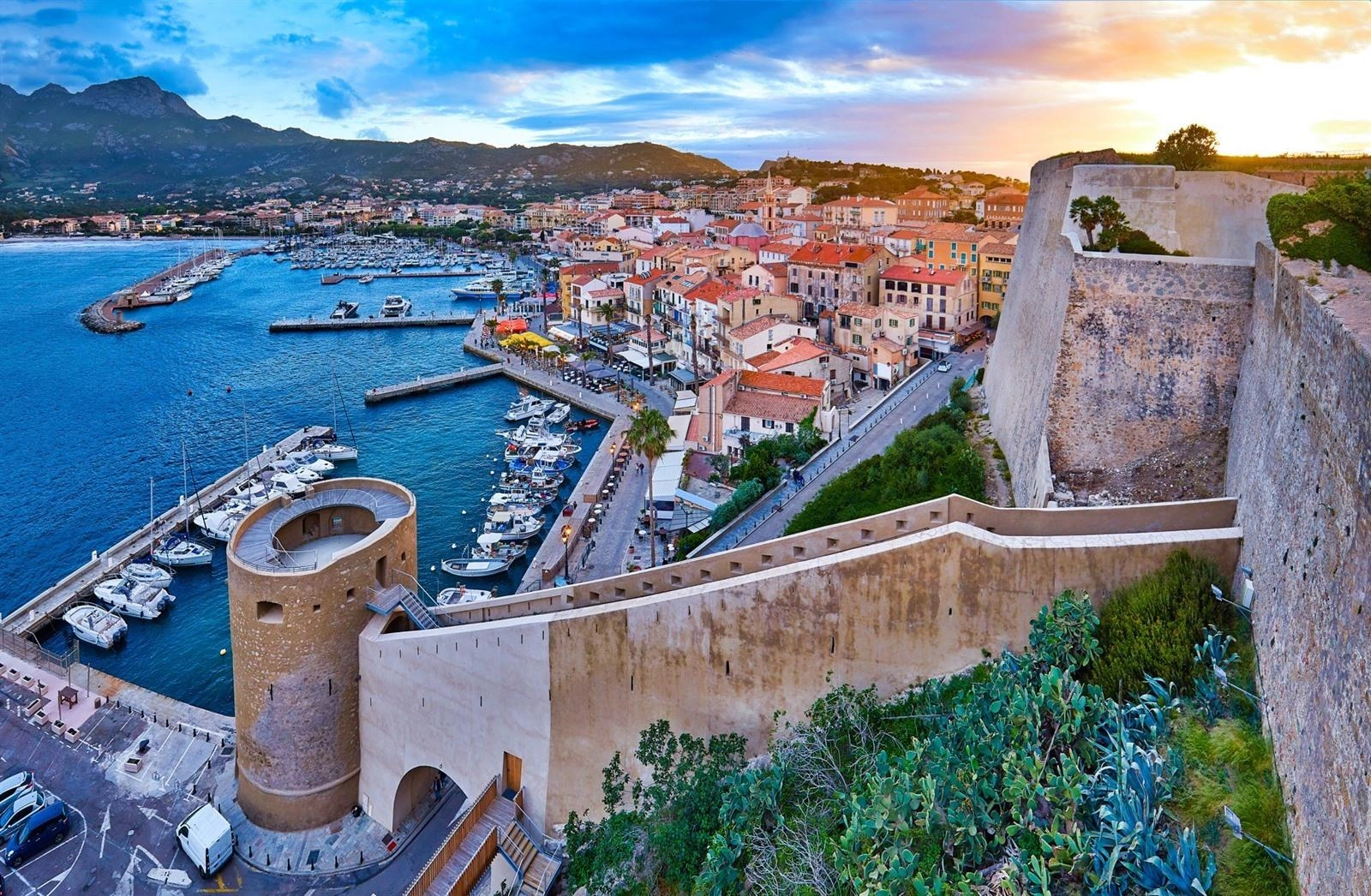
Europe in 2026 feels like it’s gently shifting away from the obvious. Instead of the usual headline cities and crowded landmarks, the spotlight, especially in lists from Condé Nast Traveller, is moving towards places that feel a bit more raw, underexplored, and quietly beautiful.
These are destinations where you don’t just tick off sights; you settle into them. Coastal stretches with barely-touched villages, valleys where time slows down, and landscapes that don’t try too hard to impress—but do anyway.
Europe’s 7 Wonders to Visit in 2026
Here are the 7 wonders of Europe to visit in 2026, built around the idea of discovery.
1. Calvi
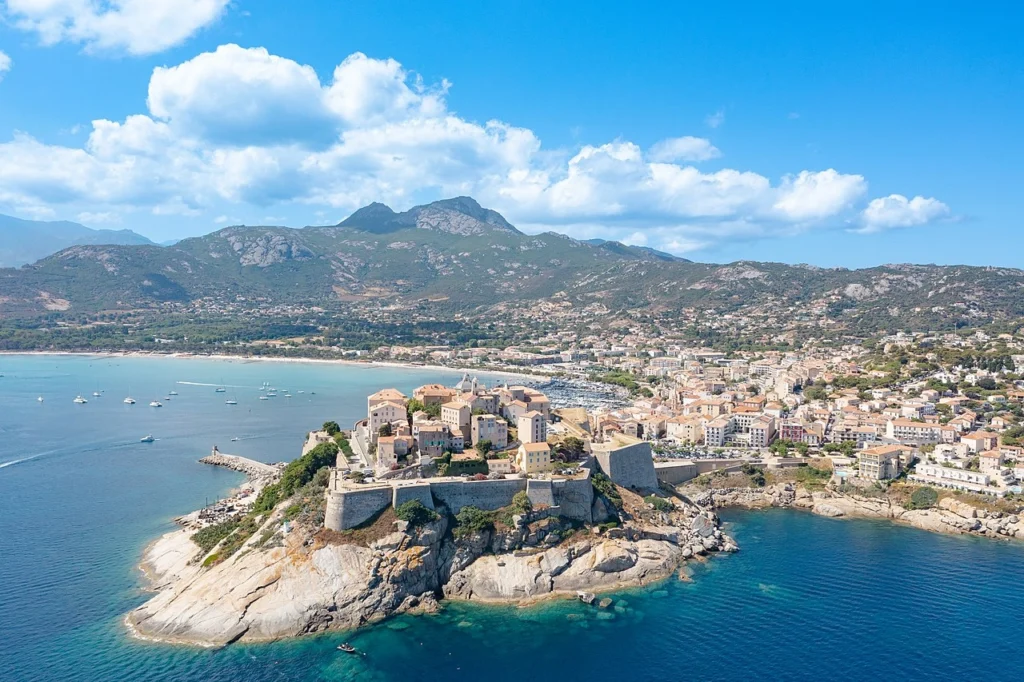
Calvi sits on the northwest coast of Corsica, and it’s one of those places that feels instantly Mediterranean, yet somehow still under the radar.
The citadel overlooking the sea gives the town a dramatic edge, while the marina below adds a softer, almost relaxed charm. What makes Calvi particularly appealing in 2026 is how it balances natural beauty with low-key sophistication. You’ve got beaches that stretch for miles, but without the overwhelming crowds you’d expect in southern France.
It’s the kind of place where mornings are slow, afternoons are spent by the water, and evenings drift into long dinners by the harbour. Not flashy, just quietly stunning.
2. The Alentejo Coast
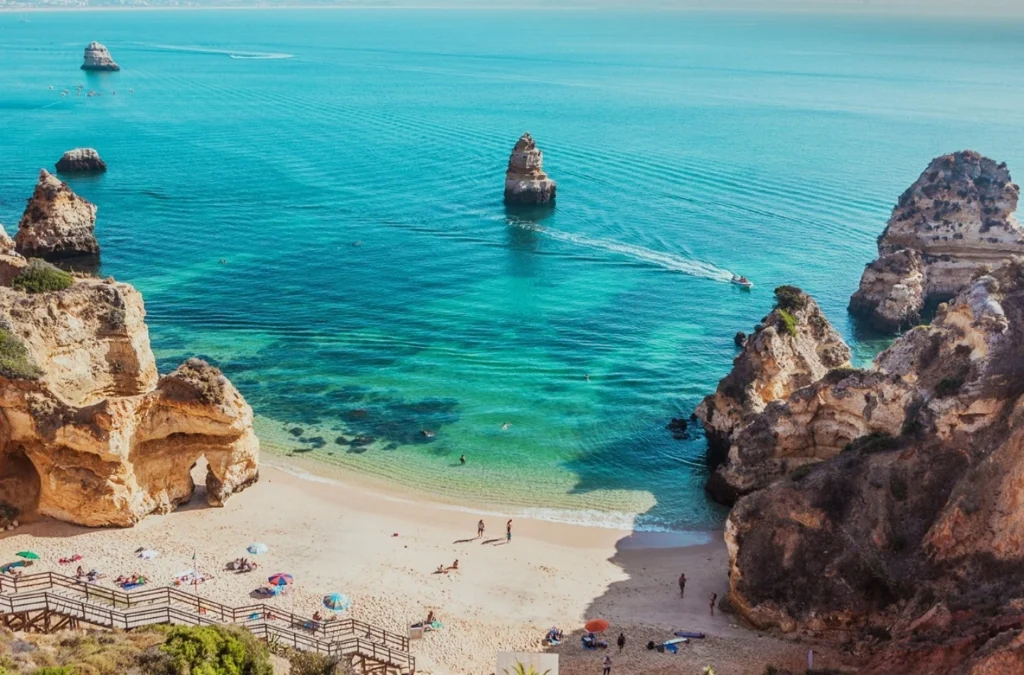
The Alentejo Coast is Portugal at its most untouched.
Stretching south of Lisbon, this coastline offers wild beaches, rugged cliffs, and a sense of openness that’s becoming rare in Europe. Unlike the Algarve, it hasn’t been overdeveloped, which is exactly why it’s gaining attention now.
In 2026, the Alentejo Coast is emerging as a slow travel haven with boutique stays, eco-lodges, and small villages where life moves at its own pace. The Atlantic winds, the raw landscapes, and the near-empty beaches create something that feels almost timeless.
3. Vipava Valley
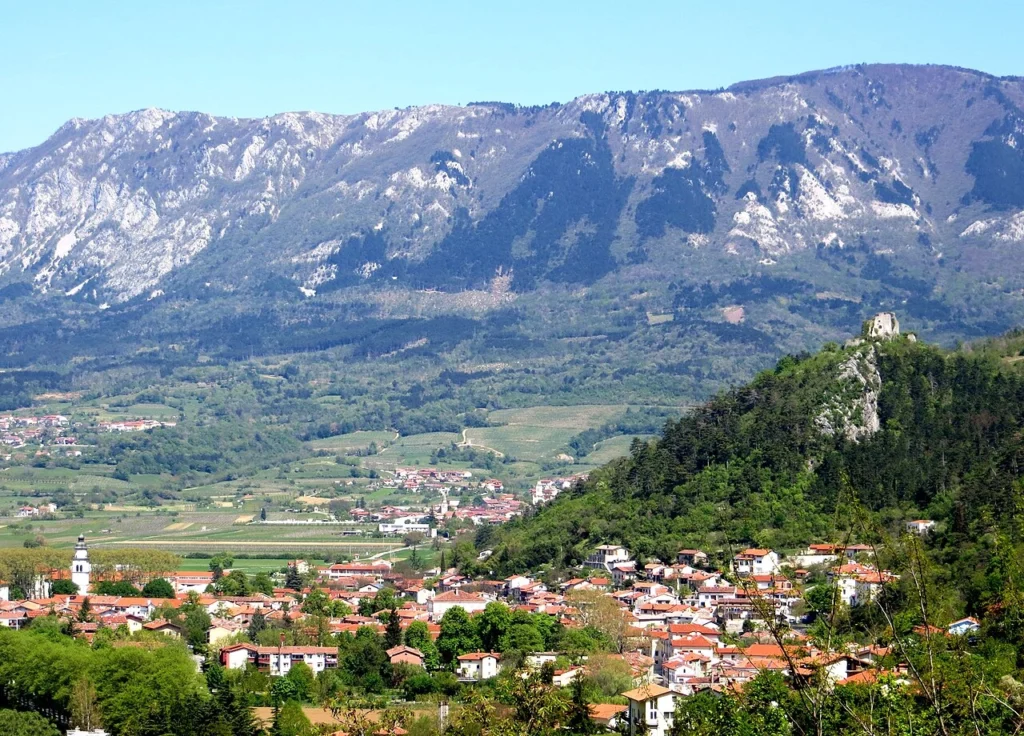
Tucked away in western Slovenia, the Vipava Valley is one of Europe’s best-kept secrets.
Known for its vineyards and mild climate, the valley has a softer, more intimate feel compared to bigger wine regions. What stands out here is the connection between food, wine, and landscape; everything feels local, seasonal, and unhurried.
Small family-run wineries dominate the region, and visitors often find themselves in conversations that turn into tastings that turn into long lunches. It’s less about tourism, more about experience.
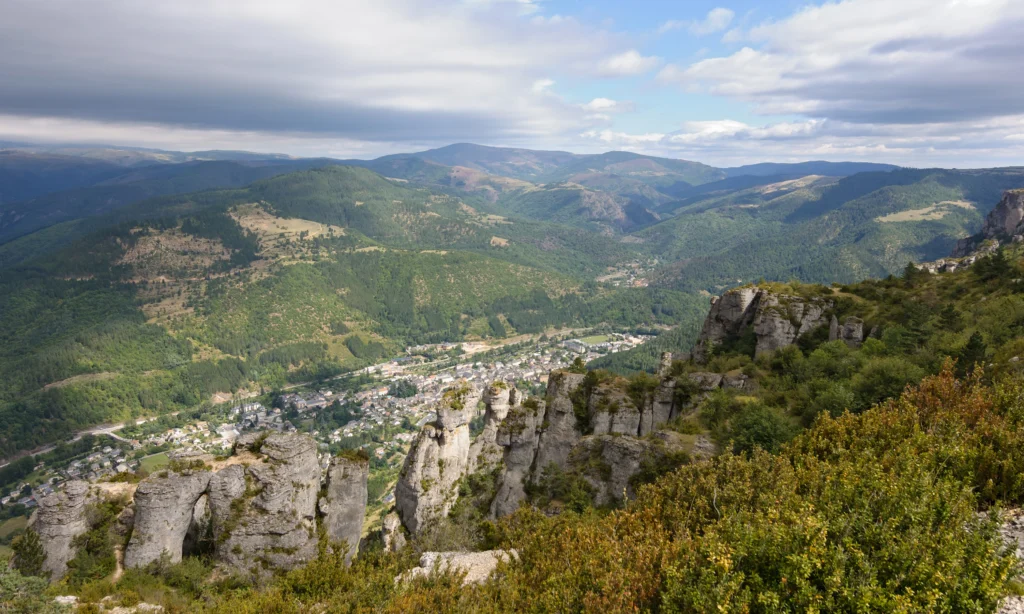
4. Cevennes National Park
The Cevennes National Park offers a completely different kind of wonder, which is quiet, expansive, and deeply connected to nature.
This UNESCO-listed biosphere reserve is one of the least populated regions in France, which means vast open landscapes, night skies, and a rare sense of solitude. Hiking trails stretch across mountains and valleys, with little interruption.
In 2026, Cevennes is gaining attention for eco-tourism and stargazing, offering travellers a chance to disconnect in a way that’s becoming increasingly hard to find.
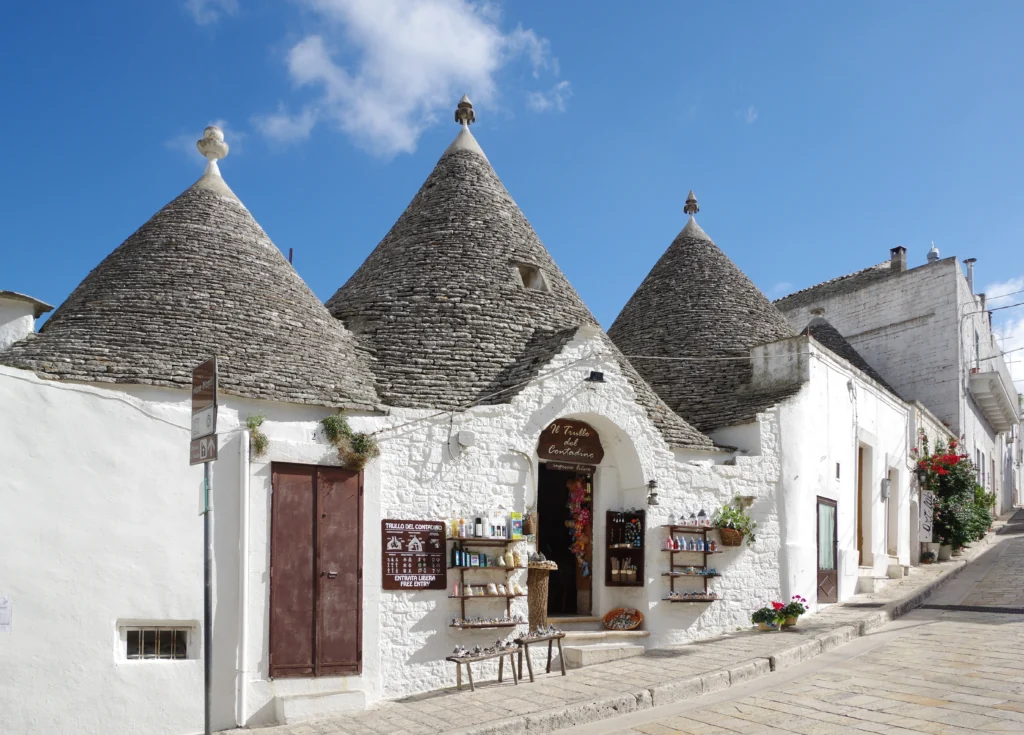
5. Valle d’Itria
The Valle d’Itria feels like something out of a postcard with whitewashed villages, rolling countryside, and the iconic trulli houses.
Located in southern Italy, this region offers a slower, more traditional alternative to the country’s busier destinations. Towns like Alberobello and Locorotondo provide charm without the chaos, while local food and wine bring everything together.
What’s interesting in 2026 is how Valle d’Itria is growing in popularity without losing its authenticity, a delicate balance that many places struggle to maintain.
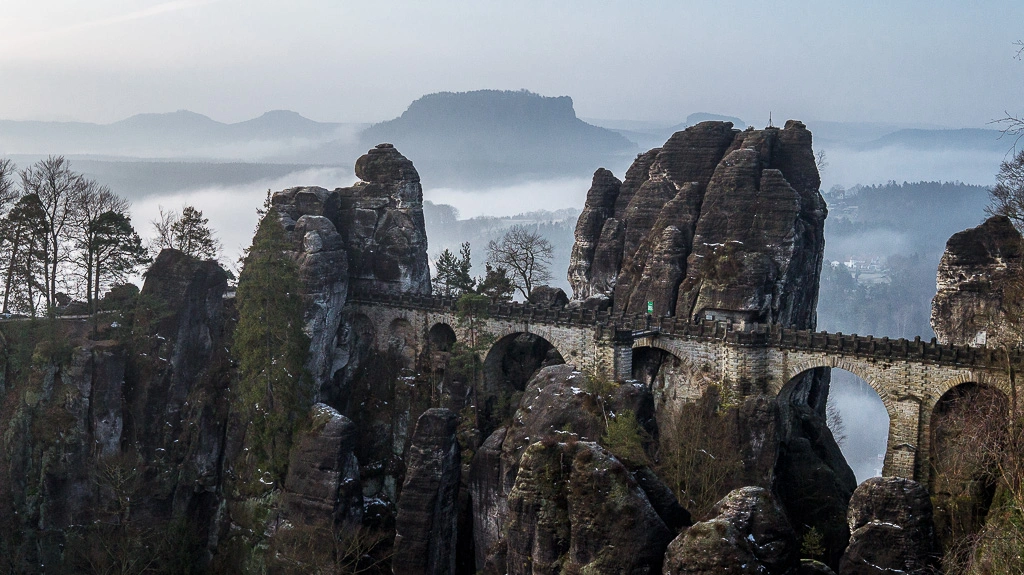
6. Saxon
Despite the name, Saxon Switzerland National Park is actually in eastern Germany, and it’s one of Europe’s most striking natural landscapes.
Towering sandstone formations rise above forests and rivers, creating a dramatic setting that feels almost unreal. The Bastei Bridge, in particular, offers views that are nothing short of breathtaking.
The region is becoming increasingly popular among hikers and photographers in 2026, but it still feels far less crowded than comparable destinations elsewhere in Europe.
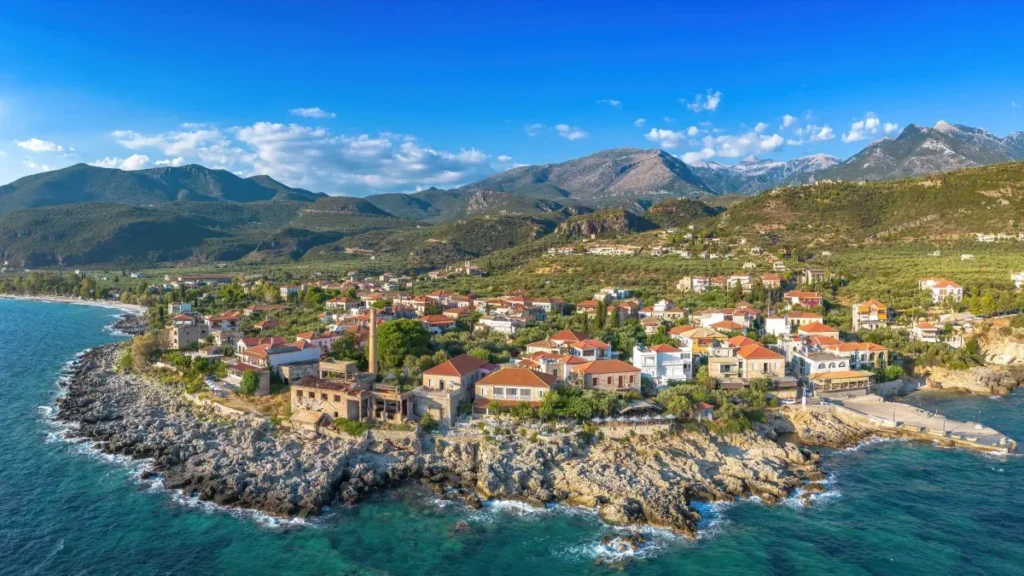
7. Mani Peninsula
The Mani Peninsula is Greece stripped back to its essentials.
Located in the southern Peloponnese, Mani is rugged, historic, and fiercely independent in character. Stone towers, quiet villages, and dramatic coastlines define the region.
Unlike the more polished Greek islands, Mani feels raw and authentic. In 2026, it’s drawing travellers who want something beyond the usual, a deeper, more grounded experience of Greece.
Bottom Line
What makes these destinations stand out in 2026 isn’t just their beauty; it’s their sense of space, authenticity, and timing.
The list from Conde Nast Traveller reflects a broader shift in travel. People are moving away from overcrowded hotspots and towards places that offer something quieter, more personal.
These are destinations that don’t demand attention, but end up holding it anyway.
FAQs
Travellers are increasingly seeking quieter, more authentic experiences, moving away from overcrowded tourist hotspots.
Yes, but they are especially ideal for travellers who want to explore beyond the typical cities and experience a more local side of Europe.
Slow travel, spending more time in fewer places, works best, allowing you to fully experience the culture, landscape, and lifestyle of each destination.
Stay tuned with us. Further, follow us on social media for the latest updates.
Join us on Telegram Group for the Latest Aviation Updates. Subsequently, follow us on Google News
