

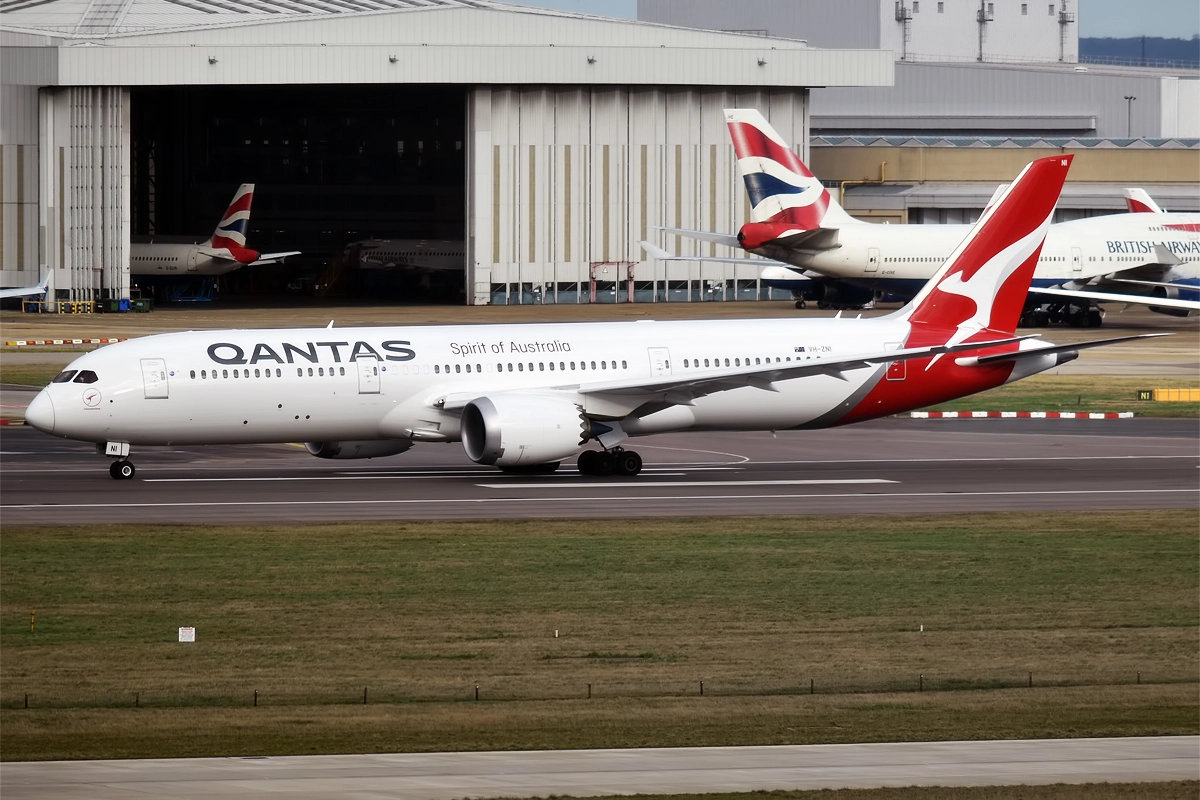
SYDNEY- A Qantas (QF) Boeing 787-9 Dreamliner operating flight QF21 from Melbourne Airport (MEL) to Dallas/Fort Worth International Airport (DFW) returned to Melbourne on Saturday, November 28, 2026, after debris was discovered on the runway shortly after departure.
The aircraft had reached 35,000 feet and was flying near Fiji when its crew received information that the debris found at Melbourne Airport had reportedly come from their aircraft. The eight-hour flight ended with the Boeing 787-9 landing back in Melbourne, while Qantas cancelled the Dallas service and arranged a replacement flight for affected passengers.
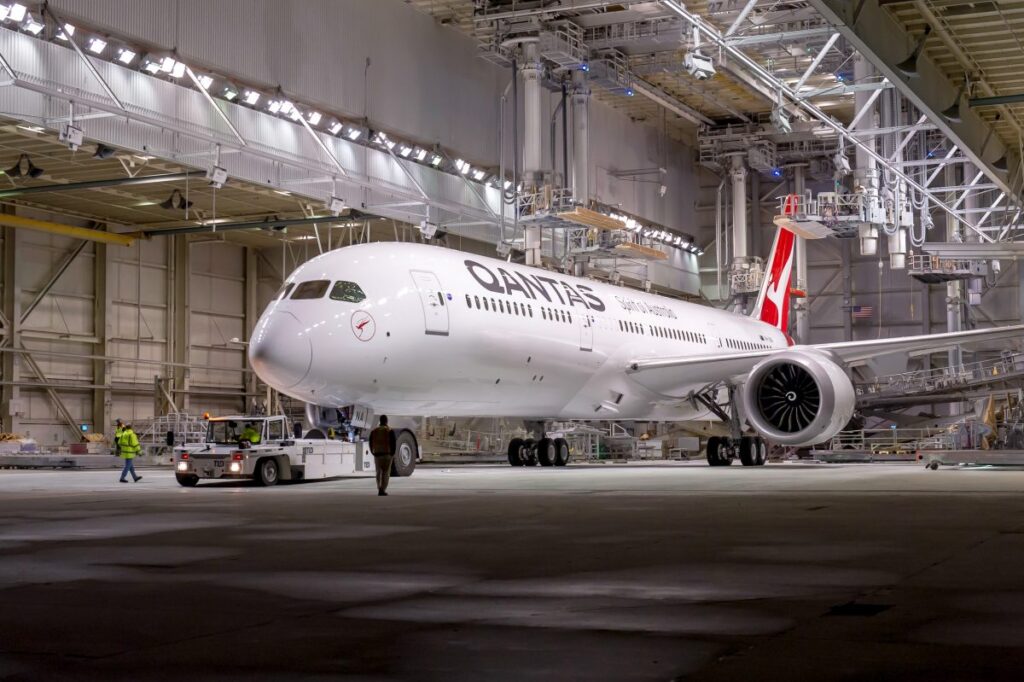
Qantas 787-9 Returns to Melbourne After Runway Debris Discovery
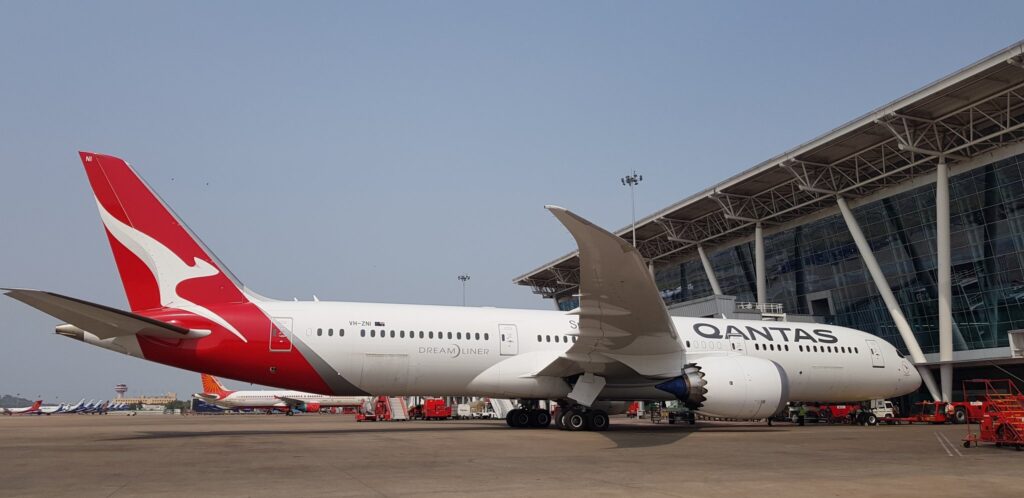
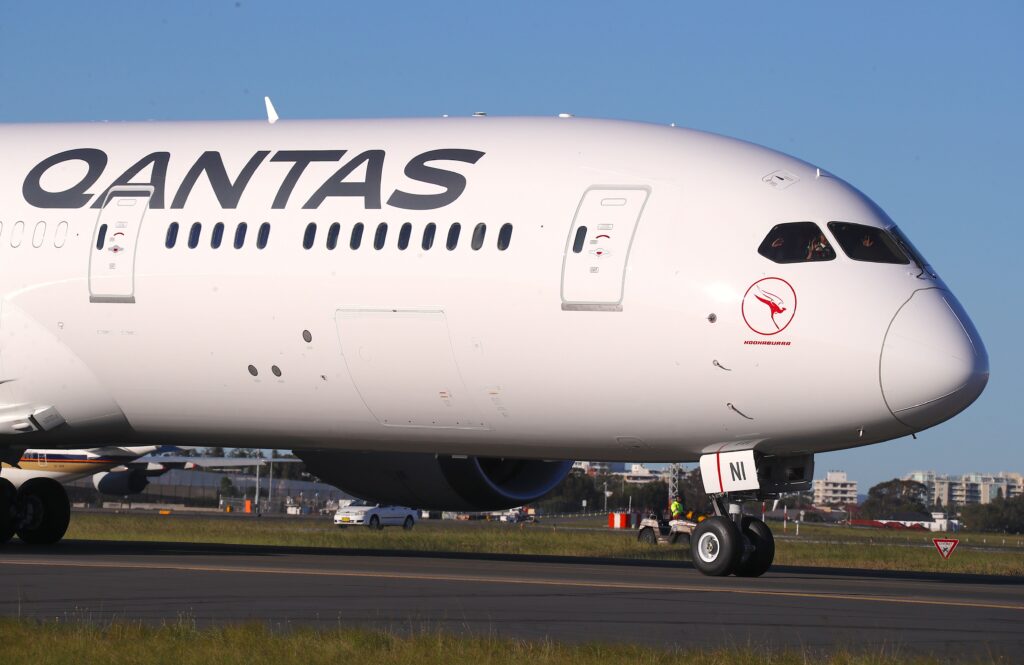
A Qantas Boeing 787-9, registered VH-ZNI, operated the scheduled nonstop service from Melbourne to Dallas/Fort Worth. The aircraft departed Melbourne Airport at approximately 12:26 PM AEDT on Saturday, November 28.
Shortly after departure, an airside safety vehicle discovered debris on the runway. Airport officials reviewed CCTV footage to identify the aircraft responsible for the material found on the runway.
The CCTV review reportedly confirmed that the debris had come from the departing Qantas Boeing 787-9. Airport operations and air traffic control then relayed the information to the flight crew.
By this time, QF21 had been flying for approximately four hours and was near Fiji. The aircraft was cruising at around 35,000 feet when the crew received the information.
Published reports indicated that an in-flight emergency was declared following the discovery. The crew subsequently decided to return to Melbourne rather than continue towards the United States.
The aircraft completed the return journey and landed at Melbourne Airport at 8:54 PM AEDT. It had spent approximately eight hours and 28 minutes in the air without reaching its scheduled destination.
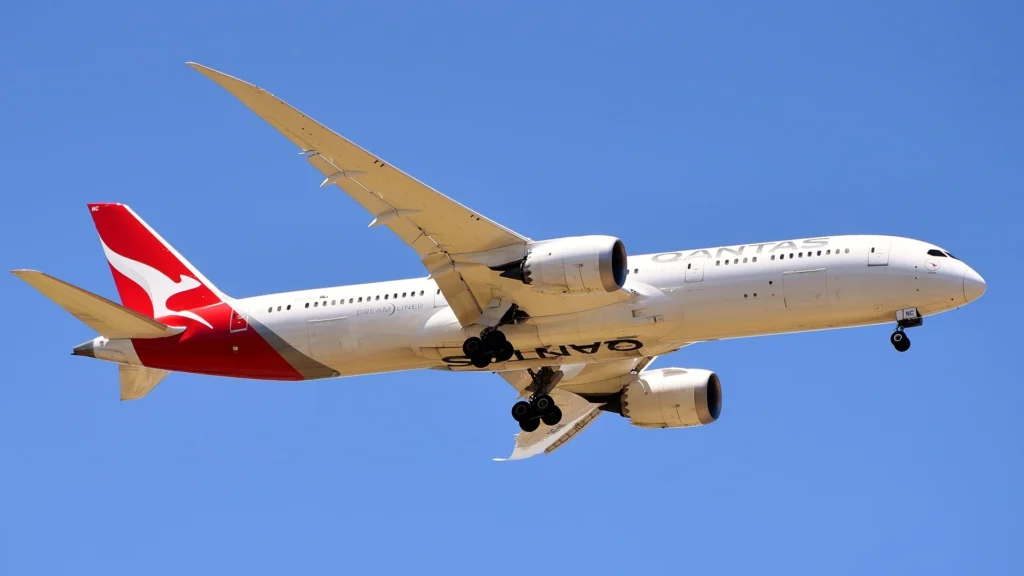
Qantas Confirms Mechanical Issue and Passenger Disruption
Following the return, Qantas cancelled the remainder of Saturday’s QF21 service. The disruption affected passengers travelling from Melbourne to Dallas/Fort Worth.
The airline arranged accommodation, ground transportation and meal vouchers for affected customers. Passengers were also rebooked onto a replacement service scheduled for Sunday, November 29.
Simple Flying contacted Qantas for further information about the incident. An airline spokesperson provided the following statement:
After departure, QF21 operating from Melbourne to Dallas returned Melbourne for engineering support due to a mechanical issue. Unfortunately, the flight was unable to continue as scheduled, resulting in an overnight stay in Melbourne. Customers were provided accommodation, transport and meal vouchers and rebooked on a replacement flight tomorrow. We thank them for their patience and understanding.
Qantas described the incident as a mechanical issue requiring engineering support. However, the airline did not publicly identify the specific debris or explain which aircraft component may have been involved.
The distinction is important because the runway debris discovery was reported through airport CCTV findings, while Qantas’s public statement referred to an unspecified mechanical issue.
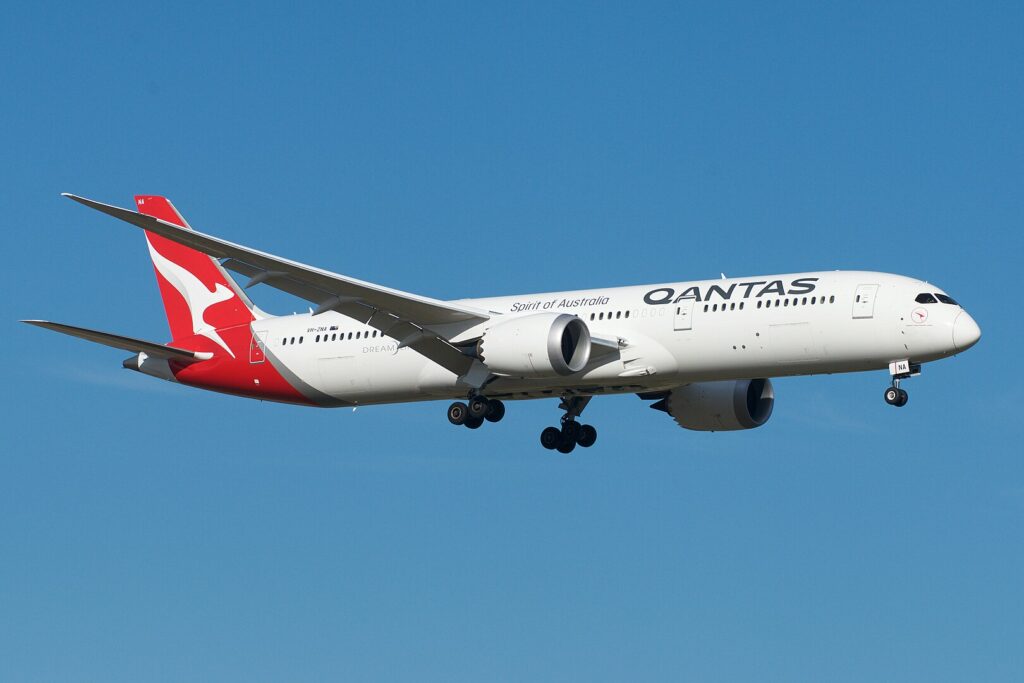
Qantas QF21 Flight Details: Melbourne to Dallas
Flight-tracking information provides the following details about the disrupted service.
| Flight Information | Details |
|---|---|
| Airline | Qantas (QF) |
| Flight Number | QF21 |
| Origin | Melbourne Airport (MEL) |
| Destination | Dallas/Fort Worth International Airport (DFW) |
| Scheduled Departure | 12:00 PM AEDT |
| Actual Departure | 12:26 PM AEDT |
| Return Arrival | 8:54 PM AEDT |
| Time in Air | Approximately 8 hours 28 minutes |
| Aircraft | Boeing 787-9 Dreamliner |
| Registration | VH-ZNI |
The aircraft involved was VH-ZNI, a Boeing 787-9 delivered to Qantas on October 15, 2019. The aircraft carries the nickname ‘Kookaburra’.
Qantas configured the Dreamliner with 236 passenger seats across three cabins. This includes 42 business-class seats, 28 premium economy seats and 166 economy-class seats.
VH-ZNI has remained out of commercial service following the incident. Its return-to-service date was not confirmed in the available reports.
Replacement Qantas Flight QF7021 Operates to Dallas
Qantas arranged a replacement service for the passengers affected by Saturday’s cancellation.
The replacement flight operated under flight number QF7021 on Sunday, November 29, 2026. Unlike the original service, the replacement aircraft was another Boeing 787-9, registered VH-ZNE.
The aircraft departed Melbourne Airport at approximately 12:47 PM AEDT and was tracking towards Dallas/Fort Worth International Airport. Its expected arrival was around 11:45 AM local time on Sunday.
The replacement flight allowed affected passengers to continue their journey after spending an additional night in Melbourne.
What Happens When Foreign Object Debris Is Found on a Runway?
Foreign Object Debris (FOD) refers to objects or materials found in locations where they could create hazards for aircraft or airport operations.
Runway debris presents a serious safety concern because it can damage aircraft during takeoff and landing. Even relatively small objects can create problems for aircraft tires, engines and other components.
The Federal Aviation Administration (FAA) identifies several risks associated with FOD, including aircraft tire damage, engine ingestion and interference with aircraft mechanisms.
Airports maintain inspection and debris-management procedures to reduce these risks. When debris is discovered on an active runway, airport operations coordinate with air traffic control to assess the hazard and determine whether runway movements need to be suspended.
Airside safety vehicles and airport response teams can inspect the affected area, identify the debris location and collect evidence. Depending on the material involved, ground teams may also use mechanical sweepers and other specialised equipment to clear the runway.
Some airports also use automated foreign object detection systems. These can include optical cameras, radar technology and other surveillance equipment that helps identify debris.
Once the debris has been removed, airport personnel verify that the affected surface is clear and coordinate with air traffic control before normal runway operations resume.
The FAA’s FOD management guidance covers four main areas: prevention, detection, removal and evaluation. These procedures help airports identify the source of debris and reduce the risk of similar incidents.
Stay tuned with us. Further, follow us on social media for the latest updates.
Join us on Telegram Group for the Latest Aviation Updates. Subsequently, follow us on Google News
