

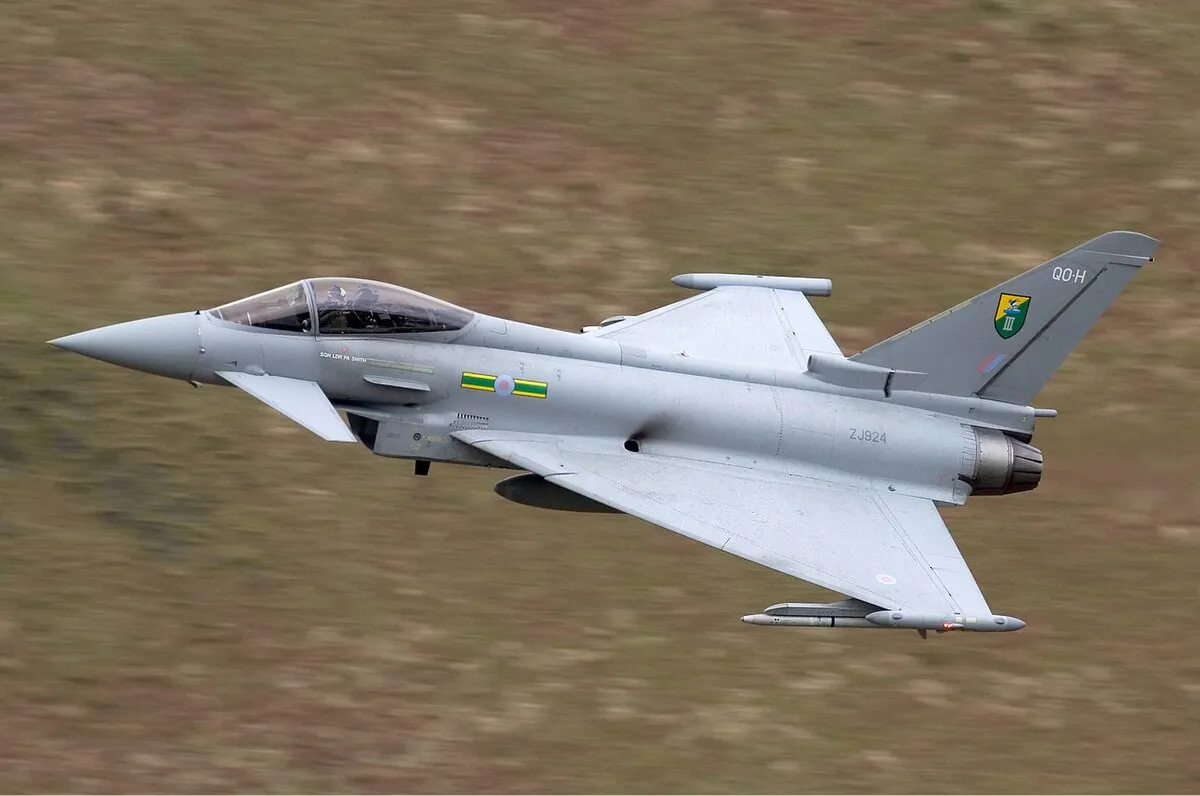
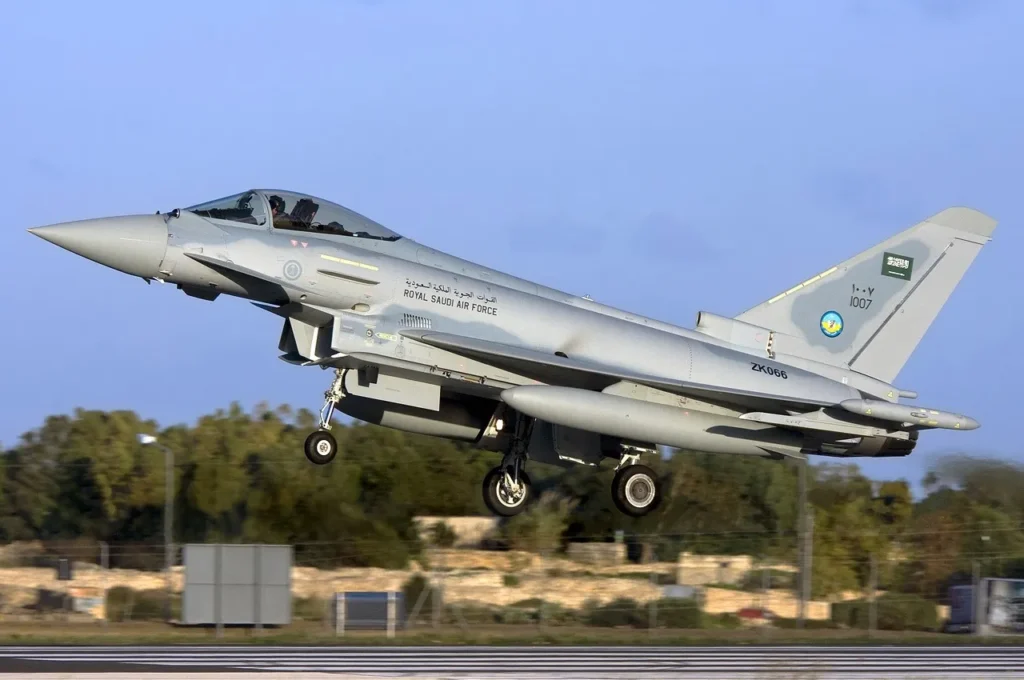
ROME- Ukraine has asked Italy to consider transferring early-production Eurofighter Typhoon fighter jets that the Italian Air Force plans to retire. The request focuses on the Tranche 1 version, the first production standard of the European combat aircraft.
The potential transfer could give Ukraine another Western fighter type, but the older jets have limited modernization potential and fewer weapons options than later Typhoon variants. Reports published on November 26 suggest Kyiv could be seeking between 10 and 20 aircraft, although no confirmed transfer agreement or delivery schedule has been announced.
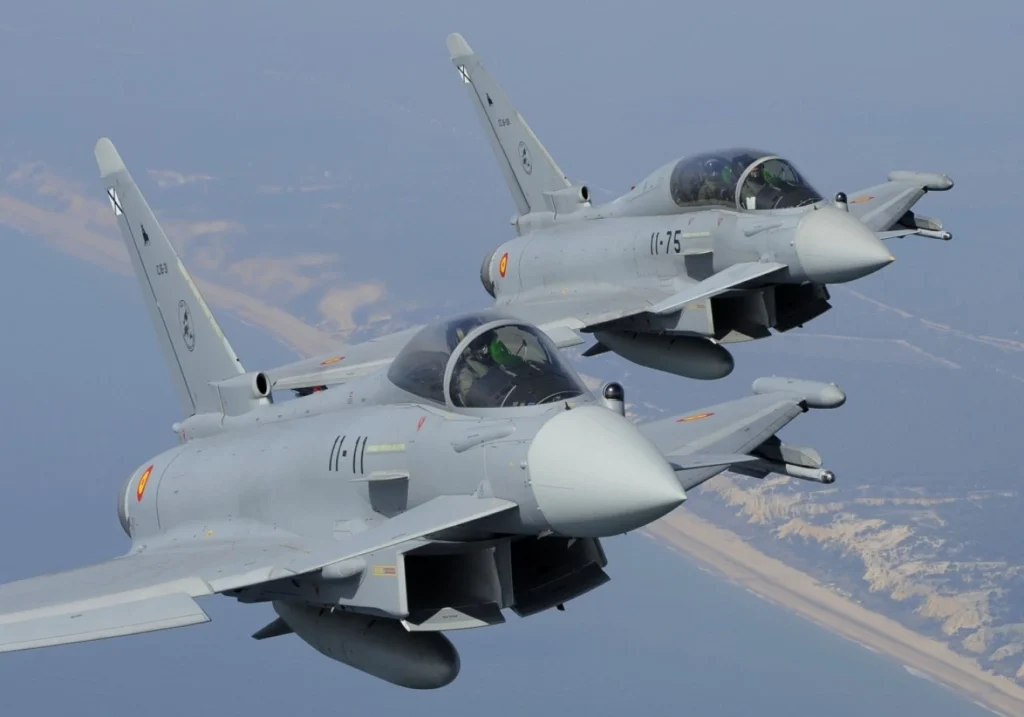
Ukraine Seeks Italy’s First-Generation Eurofighter Typhoons
Italian newspaper La Repubblica first reported Ukraine’s request on November 12, 2026. The report said Kyiv had approached Rome about acquiring Eurofighter Typhoon fighters that Italy intends to withdraw from operational service.
On November 26, Ukrainian defense publication Militarnyi examined the capabilities and limitations of the aircraft potentially available for transfer. The analysis focused on the Tranche 1 configuration, which entered Italian service in the 2000s.
Subsequent reports have placed Ukraine’s potential request at between 10 and 20 fighters. However, the exact number of aircraft Italy could provide remains uncertain. Neither government has announced a final agreement or confirmed a delivery timeline.
The aircraft under consideration belong to the earliest production generation of the Eurofighter Typhoon. Although they remain capable combat aircraft, their older avionics, limited modernization history, and compatibility with newer weapons could create challenges for Ukraine.
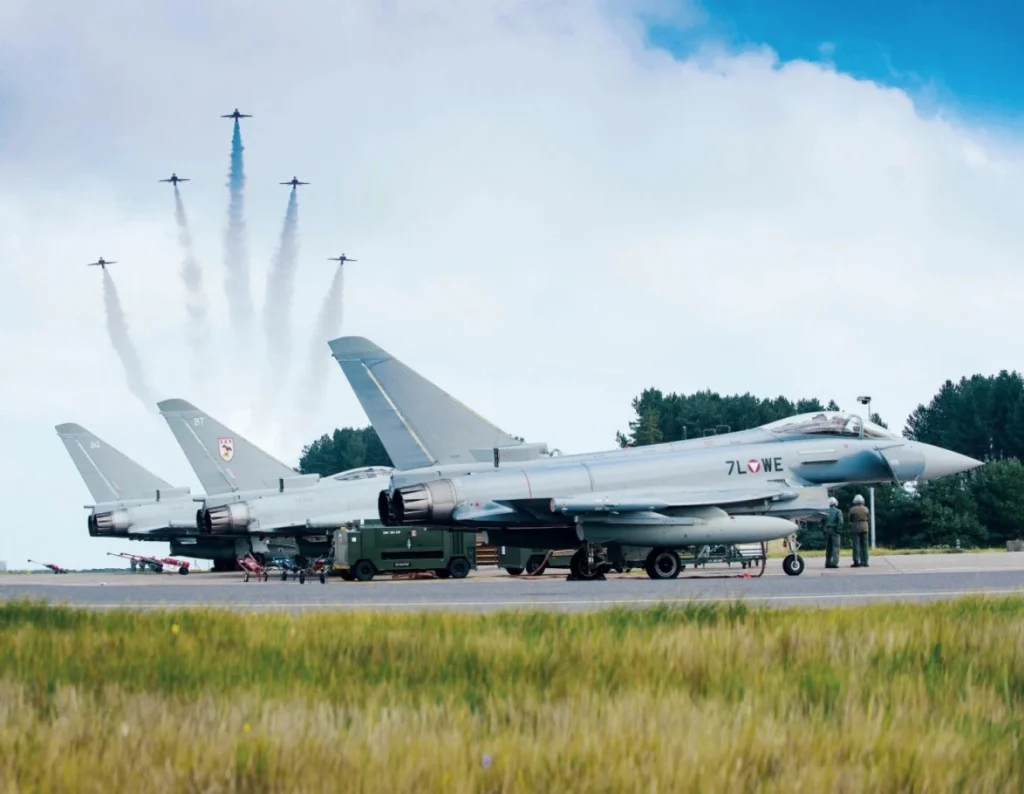
Why Italy Is Retiring Its Older Eurofighter Typhoons
Italy introduced the Eurofighter Typhoon into operational service on March 16, 2004, when the first aircraft arrived at the 4th Wing at Grosseto Air Base.
The Italian Air Force originally ordered 28 Tranche 1 fighters. According to a December 2024 Italian Senate document cited by Militarnyi, 26 aircraft remained in service at that time. The fleet also experienced a fatal aircraft loss in September 2017.
The Tranche 1 aircraft received fewer modernization improvements than the later Tranche 2 and Tranche 3 versions. Their electronic systems and onboard computers belong to an earlier generation, limiting their compatibility with newer upgrades.
As newer Eurofighter variants entered Italian service, the Air Force increasingly focused on maintaining the operational condition of its earliest aircraft rather than undertaking expensive modernization programmes.
The Italian Ministry of Defence has outlined a replacement programme involving 24 new Eurofighter Typhoons. Its 2026-2028 defence planning document states that the new aircraft will replace the first-tranche fighters, with their progressive withdrawal scheduled to begin in 2029.
The replacement programme explains why Italy is considering the future of its oldest Typhoons. However, the planned retirement does not mean all aircraft are immediately available for transfer, as the Italian Air Force must maintain its existing capabilities until replacement fighters enter service.
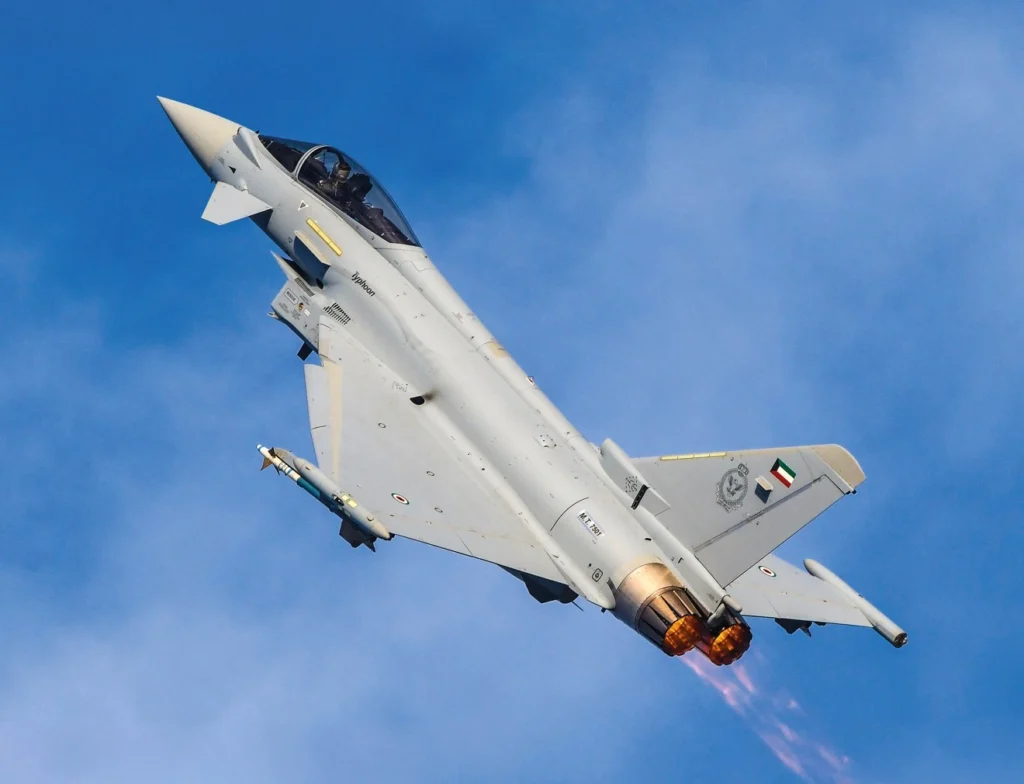
What Weapons Can Italy’s Tranche 1 Eurofighters Carry?
Weapons compatibility will be one of the most important considerations if Italy transfers its early Eurofighter Typhoons to Ukraine.
The original Eurofighter Typhoon was primarily designed for air-superiority operations, including intercepting hostile aircraft and defending national airspace. Later upgrades expanded the aircraft’s ability to conduct ground-attack missions.
Italy’s early Tranche 1 fighters feature the mechanically scanned CAPTOR multi-mode radar, the PIRATE infrared search and track system, and the Defensive Aids Sub-System (DASS).
The CAPTOR radar provides airborne target detection and tracking. The PIRATE system helps detect and track airborne targets through infrared signatures.
Meanwhile, the DASS provides protection against radar-guided threats through radar warning functions, missile attack warnings and electronic countermeasures. These systems give the aircraft important defensive capabilities, although they do not offer the technological advantages of newer radar and electronic warfare systems.
For air-to-air combat, the Eurofighter Typhoon can employ American AIM-120 AMRAAM medium-range missiles and AIM-9 Sidewinder short-range missiles.
However, weapons compatibility varies between production standards and individual aircraft configurations. The wider Eurofighter family can also operate weapons such as IRIS-T, ASRAAM and the long-range Meteor missile, but these capabilities cannot automatically be assumed for every Tranche 1 aircraft.
Why Meteor Missiles Could Be a Major Limitation
The Meteor beyond-visual-range air-to-air missile represents an important capability difference between early and upgraded Eurofighter Typhoons.
Italy adopted Meteor missiles in 2020, but integrating them into its Eurofighter fleet required additional development and testing.
Work to adapt the missiles for Italian EF-2000A fighters began in October 2023. Full operational integration required the P2Eb software upgrade, which enables long-range missile engagements and allows the missile’s flight path to receive updates through the Link 16 data link.
The Italian Air Force completed the second phase of Meteor operational testing in March 2025. In May 2025, Italy deployed Eurofighters armed with Meteor missiles for the first time during NATO’s Enhanced Air Policing mission in Romania.
Before Meteor integration, Italian Eurofighters relied on American AIM-120C-5 AMRAAM missiles for medium-range air-to-air engagements.
However, the Meteor capability of upgraded Italian Eurofighters does not establish that the older Tranche 1 aircraft potentially available to Ukraine can use the same missile.
This distinction is important because the aircraft’s actual operational value will depend on its existing software standard, weapons integration, and the cost of any additional upgrades.
Could the Older Eurofighters Strengthen Ukraine’s Air Force?
Despite their limitations, Tranche 1 Eurofighter Typhoons could still provide Ukraine with additional combat aircraft for air-defence and interception missions.
The Eurofighter remains a fourth-generation fighter developed jointly by the United Kingdom, Germany, Italy and Spain. Its twin Eurojet EJ200 engines, high manoeuvrability and air-to-air combat design provide important capabilities for defending airspace.
The early-production aircraft also retain several advantages over older combat aircraft introduced during the same period. Their operational usefulness, however, would depend on their technical condition, remaining airframe life and available weapons.
The main limitation would be their restricted modernization potential. Ukraine would not receive the same capabilities available on newer Tranche 2, Tranche 3 or Tranche 4 aircraft.
The fighters could primarily support air-superiority and interception operations. Their ground-attack capabilities would remain more restricted, although certain Block 5 aircraft received limited improvements for air-to-ground missions.
For Ukraine, receiving additional fighters could help expand its available aircraft inventory. However, introducing another European combat aircraft would also create a substantial logistical requirement.
Maintenance and Training Could Complicate a Transfer
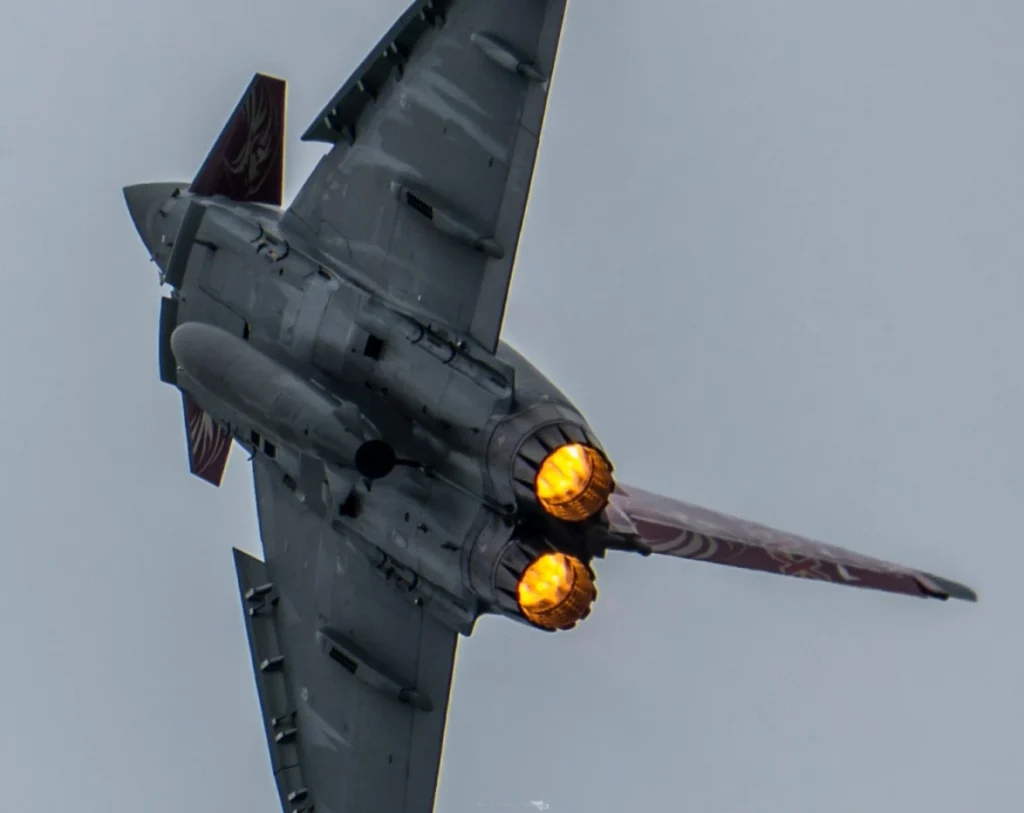
The Eurofighter Typhoon uses a different engine, maintenance system, and supply chain from the F-16 and other aircraft currently operated by Ukraine.
The aircraft is powered by two Eurojet EJ200 turbofan engines. Ukraine would therefore need to establish another maintenance and spare-parts network to support the fighters.
The transfer would also require pilot conversion training, technical training for ground personnel, specialised maintenance equipment and access to compatible weapons.
Engine maintenance, radar servicing and electronic systems support would become additional requirements for the Ukrainian Air Force.
The remaining service life of each aircraft would also need careful assessment. Some airframes have accumulated considerable flight hours, making their individual technical condition an important factor in determining whether they are suitable for further service.
Without a reliable supply of spare parts, maintenance support and compatible weapons, even operationally sound fighters could become difficult to sustain.
Italy Has Yet to Confirm a Eurofighter Transfer to Ukraine
Italy’s potential transfer of Tranche 1 Eurofighters remains an unconfirmed proposal rather than an approved aircraft delivery programme.
The Italian defence planning document establishes that the country intends to replace its earliest Eurofighters beginning in 2029. However, the retirement schedule does not automatically establish when aircraft could become available for Ukraine.
The proposal could also face political and parliamentary challenges because the aircraft remain part of Italy’s operational inventory. Some Italian lawmakers have argued that transferring equipment before its formal withdrawal requires parliamentary approval.
Italy must also consider the timing of replacement deliveries before releasing a significant number of existing fighters.
For Ukraine, the acquisition would provide another possible source of Western combat aircraft, but its benefits would depend on the number of serviceable jets, their weapons configuration, and the support Italy could provide.
As of November 26, 2026, neither the final aircraft quantity nor a delivery schedule has been officially confirmed. The technical limitations of the Tranche 1 fleet will remain central to any decision on whether the potential transfer can strengthen Ukraine’s air-defence capabilities.
Stay tuned with us. Further, follow us on social media for the latest updates.
Join us on Telegram Group for the Latest Aviation Updates. Subsequently, follow us on Google News
