
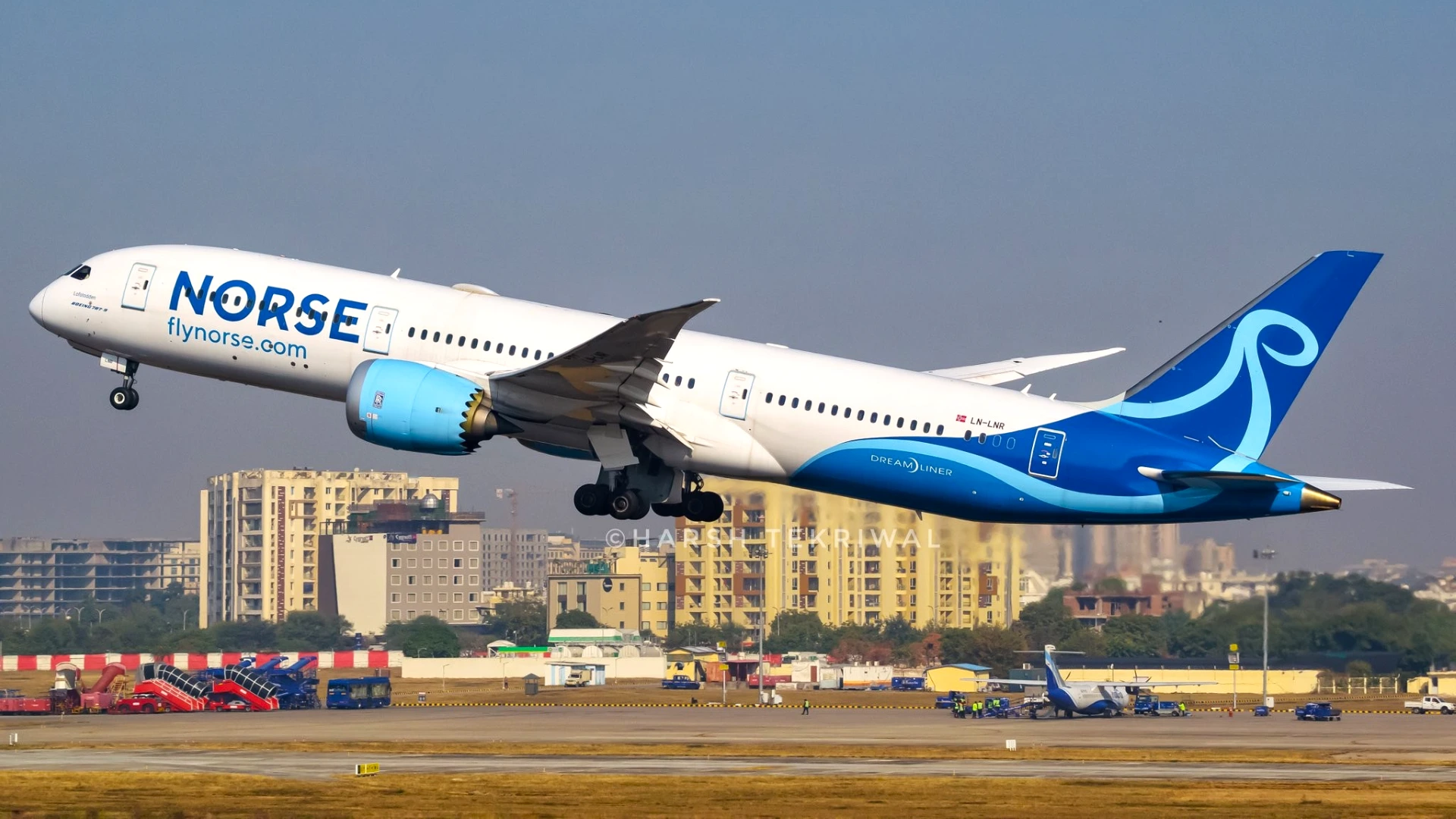
ARENDAL- Norse Atlantic Airways (N0/Z0) has abruptly suspended operations after warning on November 25, 2026, that its financial position was “critical” and that it needed emergency funding to continue flying. The airline is exploring a potential takeover, sale, or other financial arrangement as its liquidity crisis deepens.
The disruption has also affected Pakistan International Airlines (PK), which cancelled flight PK786 from London Heathrow Airport (LHR) to Islamabad International Airport (ISB) and flight PK710 from Manchester Airport (MAN) to Allama Iqbal International Airport (LHE). Both flights were cancelled after Norse unexpectedly suspended operations under its wet-lease agreement with PIA.
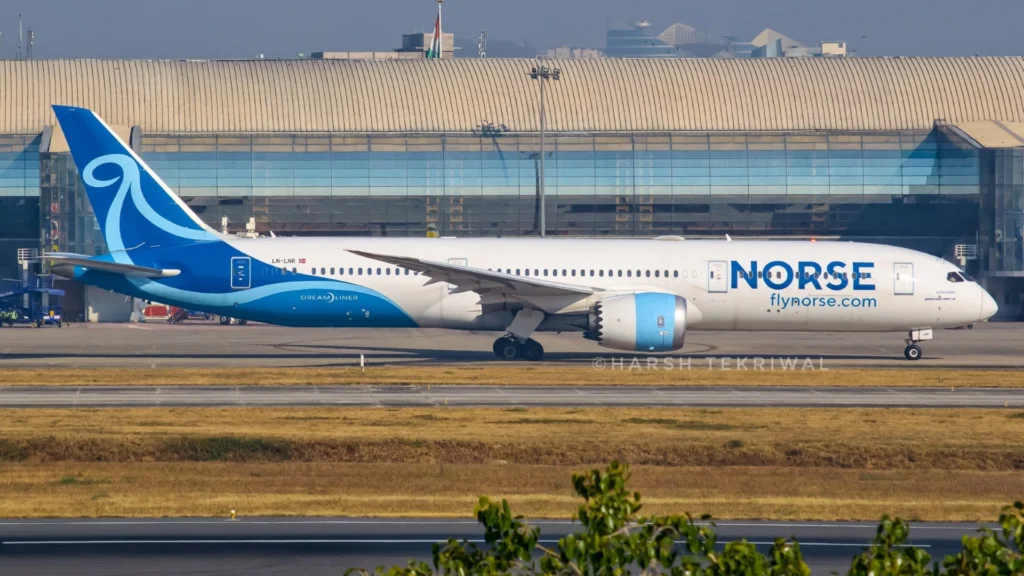
Norse Atlantic Suspends Operations Amid Financial Crisis
Norse Atlantic’s financial problems escalated rapidly on November 25 after the airline issued a serious warning to investors about its ability to continue operating.
In its official stock exchange announcement, Norse Atlantic ASA confirmed that its financial situation was critical and that its continued operations depended on securing additional financing to meet short-term liquidity requirements.
The airline also confirmed that it had explored several strategic alternatives with the support of its financial advisers. These included a potential takeover, additional ACMI contracts and other arrangements to strengthen its financial position.
Norse was also negotiating short-term financing with selected parties. However, management warned that there was no guarantee that these discussions would produce a viable solution.
The airline stated:
“The Company’s financial situation is critical. It is dependent on securing financing to meet its short-term liquidity needs and to continue its operations.”
The announcement highlighted the immediate financial pressure facing the Norwegian carrier. It also raised serious questions about its ability to maintain scheduled services and meet its existing financial obligations.
The situation deteriorated further later that day when Norse unexpectedly suspended its operations under the agreement with Pakistan International Airlines.
According to aviation industry publication ch-aviation, aircraft operated under both Norse Atlantic’s Norwegian and UK operating certificates were not airborne at 2100 UTC on November 25, based on available ADS-B data.
Although the developments point to a wider operational suspension, Norse Atlantic had not formally announced its liquidation or permanent closure as of November 26, 2026. Its official announcement continued to describe efforts to secure financing and explore strategic alternatives.
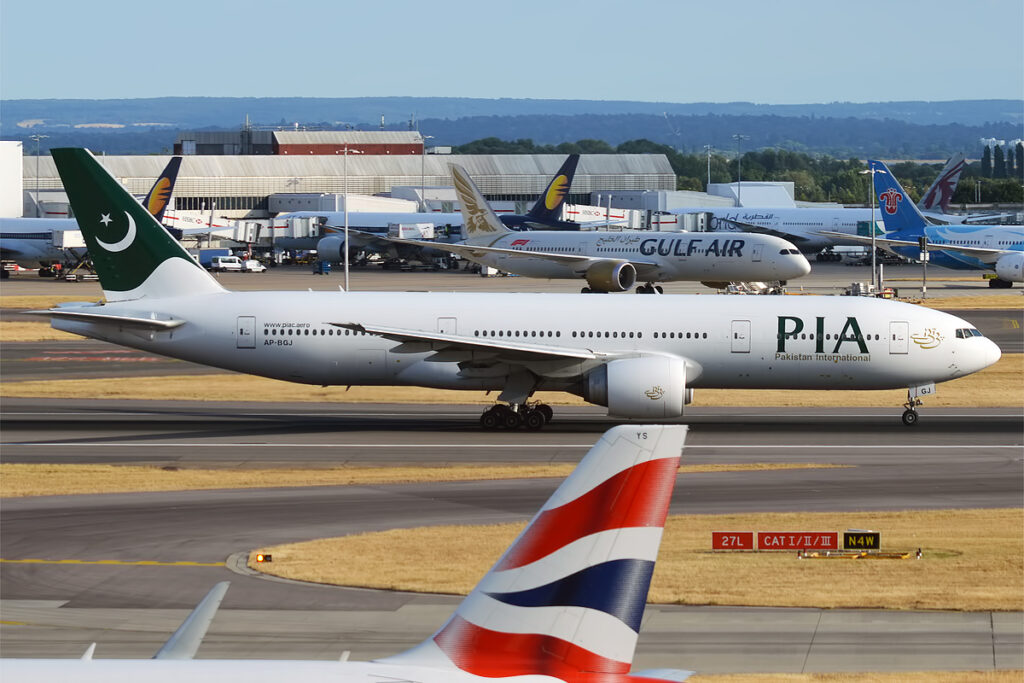
Pakistan International Airlines Cancels Two UK Flights
The sudden suspension immediately disrupted Pakistan International Airlines’ UK operations.
PIA had entered into a wet-lease agreement with Norse Atlantic in October 2026 to operate two Boeing 787-9 Dreamliner aircraft. The arrangement allowed the Pakistani carrier to increase its capacity on services between the United Kingdom and Pakistan.
However, the unexpected operational suspension forced PIA to cancel two scheduled departures on November 25.
The affected flights were:
| Flight | Route | Status |
|---|---|---|
| PK786 | London Heathrow (LHR) to Islamabad (ISB) | Cancelled |
| PK710 | Manchester (MAN) to Lahore (LHE) | Cancelled |
The cancellations occurred with very little advance notice. PIA said passengers were preparing to board at London Heathrow and Manchester when the airline received notification that its wet-lease partner had suspended operations.
PIA expressed regret over the disruption and apologised to affected passengers.
The airline also announced an immediate change to its operating arrangements. Effective November 26, PIA planned to transfer its UK services to its own Boeing 777 fleet.
The decision was intended to reduce dependence on third-party aircraft operators and protect the airline’s schedule from further disruption.
PIA also confirmed that it was pursuing the matter with Norse Atlantic at contractual and executive levels.
What Went Wrong With Norse Atlantic Airways?
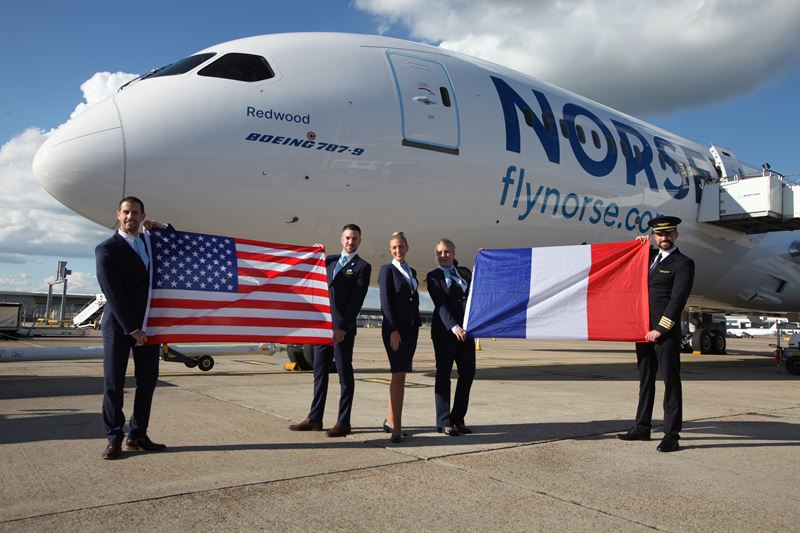
Founded in 2021, Norse Atlantic Airways commenced commercial operations on June 14, 2022. The airline entered the market with a low-cost, long-haul business model built around Boeing 787-9 Dreamliners.
Its strategy focused on operating direct flights between Europe and destinations in North America, Asia, and Africa. The airline aimed to make long-distance international travel more affordable through lower fares and a simplified operating model.
The concept followed a business model previously pursued by Norwegian Air, which discontinued its long-haul operations in 2021.
Norse Atlantic also began operations with Boeing 787 aircraft previously associated with Norwegian’s long-haul fleet.
However, operating a low-cost long-haul airline presented considerable challenges. The business depended on maintaining strong passenger demand, controlling fuel costs and achieving sufficient aircraft utilisation.
Seasonal demand and intense competition also made it difficult to maintain consistent profitability across its international network.
The airline subsequently expanded its focus on charter operations and ACMI agreements to generate additional revenue.
Under an ACMI arrangement, the aircraft provider supplies the aircraft, crew, maintenance and insurance to another airline. This gives the customer additional capacity without having to operate or manage the aircraft independently.
Although these contracts offered Norse an alternative revenue source, the airline remained exposed to changes in customer demand and contract availability.
IndiGo’s Exit Created Another Challenge
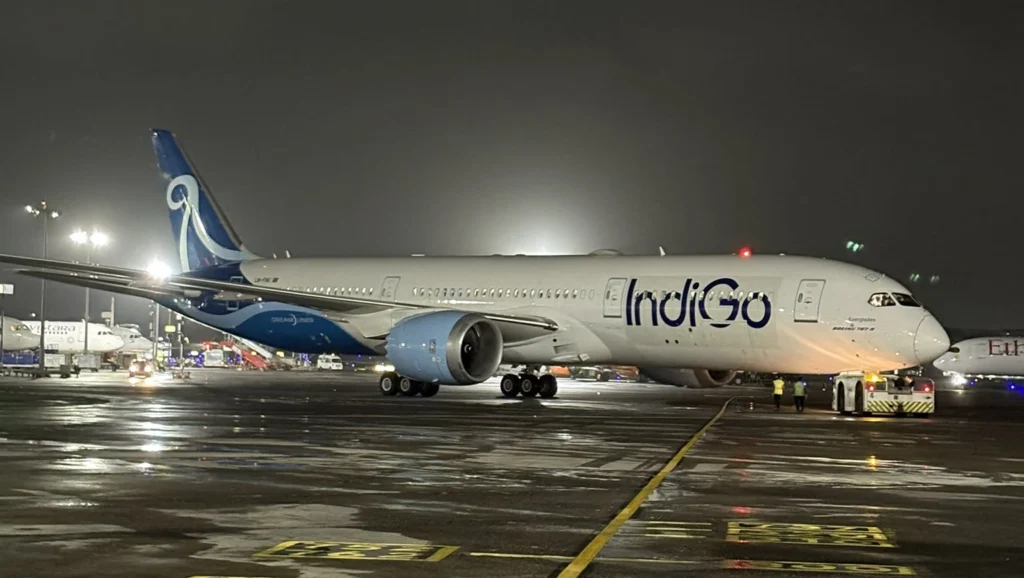
One of the biggest setbacks for Norse Atlantic came from its agreement with Indian carrier IndiGo.
The Indian airline had leased Boeing 787-9 aircraft from Norse to support its long-haul operations while preparing to introduce its own Airbus A350-900 aircraft.
The arrangement provided Norse with an important source of contracted revenue and helped maintain utilisation across its fleet.
However, the two airlines mutually agreed to discontinue their ACMI cooperation, effective November 1, 2026.
The decision followed rising fuel prices, airspace restrictions, and longer flight routes caused by geopolitical tensions in the Middle East. These developments affected the commercial viability of long-haul operations between India and Europe.
Norse confirmed on July 31 that the remaining five aircraft operated by IndiGo would return to its available fleet following the earlier return of another aircraft.
The return of these aircraft created an additional challenge because Norse needed to find alternative customers or deploy the aircraft across its own scheduled network.
The airline said it was negotiating new ACMI opportunities with several carriers and planned to use some of the returning capacity on selected profitable routes.
However, securing replacement contracts quickly enough to protect aircraft utilisation and cash flow remained a significant challenge.

High Fuel Costs and Financial Losses Deepened the Crisis
Norse Atlantic also faced increasing pressure from rising aviation fuel prices.
The airline does not hedge its fuel requirements, leaving it exposed to sudden increases in operating costs.
The geopolitical situation in the Middle East further affected its operations through higher fuel prices, airspace restrictions, and longer flight paths.
According to reports on the airline’s first-half 2026 performance, Norse recorded a net loss of approximately $94.6 million during the first six months of the year, compared with a loss of $20.8 million in the corresponding period of 2025.
Despite achieving a 94% load factor on its own network during the second quarter, the airline reduced its own-network capacity by 64% as fuel prices increased.
This highlighted the financial pressure facing the carrier even when passenger demand remained relatively strong.
Its shares also suffered a significant decline following the November 25 financial announcement.
Reuters reported that Norse Atlantic shares closed 85% lower, reaching an all-time low and reflecting the market’s concerns about the airline’s survival prospects.
The company therefore faced several challenges simultaneously, including expensive aircraft leases, declining operating capacity, uncertain contract availability and limited short-term liquidity.
Norwegian Aviation Authority Takes Action Over Unpaid Compensation
The airline’s financial difficulties also attracted regulatory attention in Norway.
On November 25, the Norwegian Civil Aviation Authority announced a financial enforcement penalty against Norse Atlantic for failing to pay passenger compensation claims that the airline had already recognised as valid.
The regulator said passengers were entitled to compensation under European passenger-rights rules covering cancelled flights, lengthy delays and denied boarding.
Despite receiving additional time to address the matter, Norse had not completed the required payments.
The authority imposed a penalty of NOK 8,000 per business day, effective November 20, 2026, until the airline provides evidence that it has fulfilled its obligations.
The regulator also stressed that financial difficulties do not remove an airline’s responsibility to meet its obligations to passengers.
The development added another financial and regulatory challenge as Norse attempted to secure funding and negotiate a potential takeover.
What Happens to Norse Atlantic’s Boeing 787 Fleet?
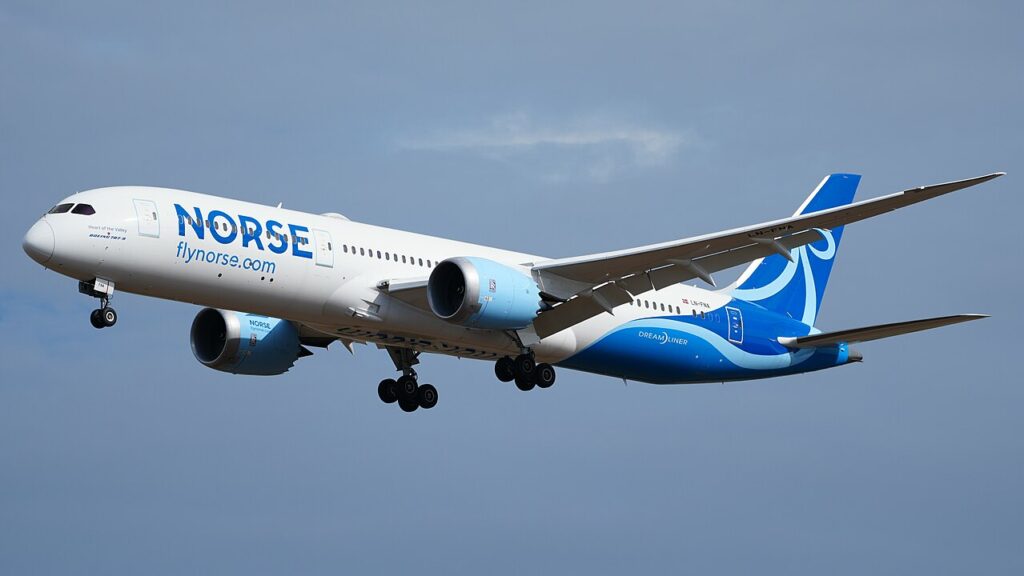
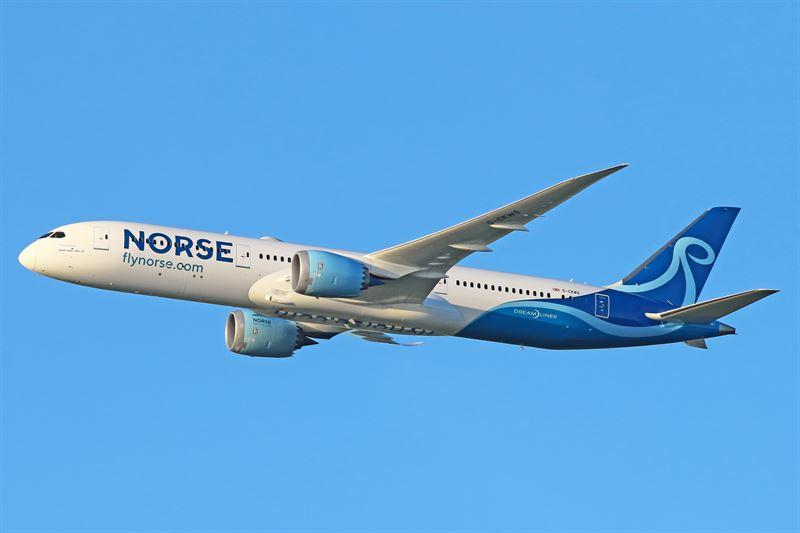
Another major question concerns the future of Norse Atlantic’s Boeing 787-9 Dreamliners.
The airline’s November 25 announcement described a fleet of 12 Boeing 787 aircraft operating across its international network.
These aircraft are leased rather than owned outright, meaning their future depends on the relevant leasing arrangements and any restructuring, sale or other agreement involving the company.
The loss of the IndiGo contract and the sudden suspension affecting its PIA agreement have further complicated aircraft deployment.
A potential buyer or new airline partner could provide an opportunity to restructure operations and secure alternative contracts. However, Norse has not announced a confirmed buyer or a final arrangement for transferring its aircraft.
The airline’s ongoing strategic review could determine whether its aircraft return to lessors, move to other operators through lease arrangements, or remain part of a restructured Norse business.
For now, the future of the fleet remains uncertain.
Bottom Line
Norse Atlantic Airways is facing its most serious financial and operational challenge since launching commercial services in 2022.
The airline’s November 25 warning confirmed that it needed additional financing to continue operating. The subsequent suspension of operations also disrupted its wet-lease agreement with Pakistan International Airlines, forcing the cancellation of two UK departures.
The loss of its IndiGo agreement, rising fuel costs, significant financial losses and passenger compensation obligations have added to the pressure.
Although Norse has explored a potential takeover, merger and additional ACMI contracts, none of these options has yet provided a confirmed solution.
The airline’s future now depends on whether it can secure sufficient funding, restore operations or find a buyer willing to take over its business.
Stay tuned with us. Further, follow us on social media for the latest updates.
Join us on Telegram Group for the Latest Aviation Updates. Subsequently, follow us on Google News
