


LOS ANGELES– An incident involving a JetBlue Airbus A321neo has raised fresh attention to landing safety after the aircraft’s tail struck the runway during a go-around manoeuvre at Los Angeles International Airport (LAX). The aircraft was operating JetBlue flight 1187 from Boston Logan International Airport (BOS) on November 22, 2026, when the incident occurred shortly before midnight.
The aircraft, registered N2193J, was approaching runway 25L at approximately 11:44 p.m. local time when the flight crew initiated a go-around. Although the aircraft’s tail made contact with the runway, the pilots successfully climbed away and completed another approach, landing safely approximately 16 minutes later. No injuries were reported.
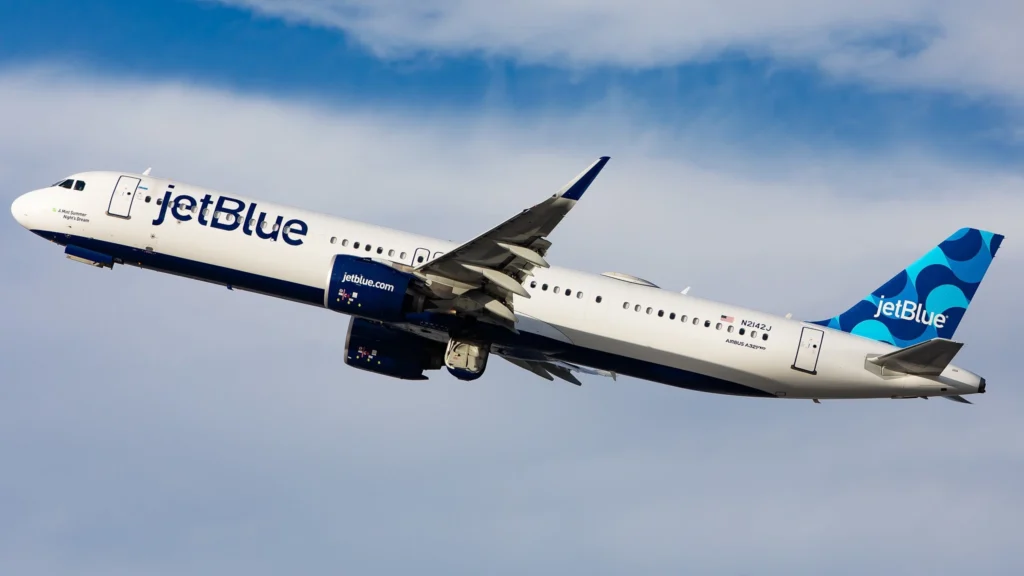
JetBlue Tail Strike Incident Investigation Update
According to the Federal Aviation Administration (FAA), the aircraft experienced a tail strike while executing a go-around. The Aviation Herald classified the occurrence as an accident, reflecting the possibility of structural damage that requires further technical assessment.
Following the second landing, the A321neo remained at Los Angeles International Airport.
Reports indicated that the aircraft was still on the ground approximately 34 hours after the incident, suggesting that maintenance teams were examining the rear fuselage before allowing it to return to commercial operations.
Weather conditions around the time of the incident included light and variable winds, good visibility and rain showers in the surrounding area. Observations also recorded low cloud bases of approximately 600 feet.
The available weather information does not indicate particularly strong winds or significant gusts at the time. However, investigators have not established what caused the tail contact or whether the aircraft experienced an unstable approach before the go-around.
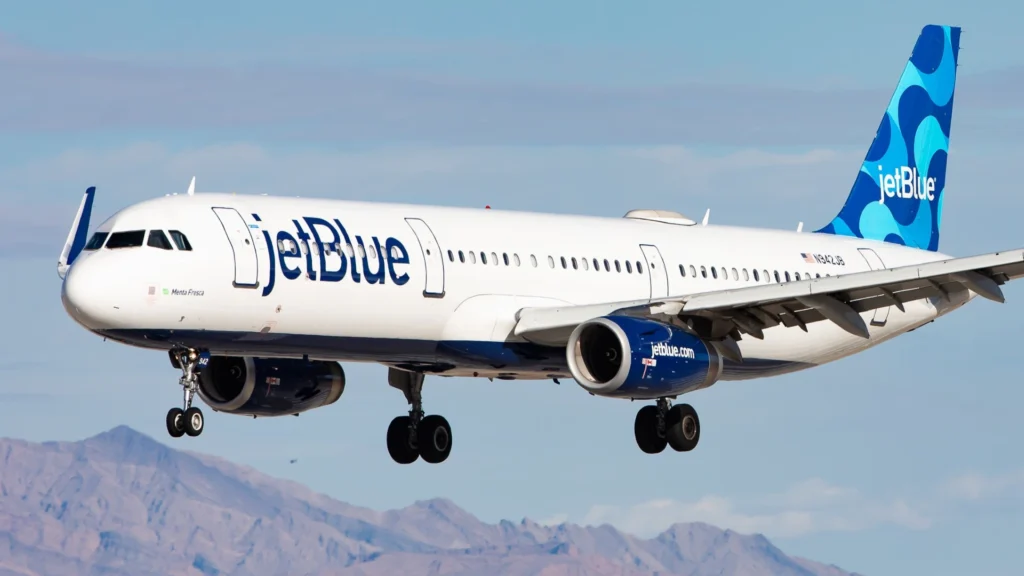
A321neo Tail Strike Operational Safety Risks
A go-around is a standard safety procedure that allows pilots to discontinue an approach when landing conditions are unsuitable. Crews may initiate the manoeuvre because of an unstable approach, runway occupancy or other operational concerns.
However, executing a go-around close to the runway can present additional handling challenges. If an aircraft descends too close to the ground or touches down as the pilots increase engine power and raise the nose, its rear fuselage can contact the runway before the aircraft establishes a climb.
The Airbus A321neo is particularly relevant to this discussion because it is the longest aircraft in the A320 family.
Its extended fuselage reduces the available clearance between the aircraft’s tail and the runway when the nose pitches upward, making tail-strike prevention an important consideration during landing and take-off.
Tail strikes require careful inspection because damage can extend beyond visible scraping on the aircraft’s underside. The rear fuselage contains structural components near the aft pressure bulkhead, which plays an important role in maintaining cabin pressurisation.
Previous aviation accidents, including Japan Airlines Flight 123 in 1985 and China Airlines Flight 611 in 2002, demonstrated the serious consequences that improperly repaired structural damage following earlier tail strikes can create.

Second Recent A321neo Tail Strike
The JetBlue occurrence follows another A321neo tail strike during a go-around involving British Airways on November 12, 2026.
British Airways flight BA431, arriving from Amsterdam, experienced a tail strike while landing at London Heathrow Airport (LHR). The aircraft, registered G-TNEB, struck its tail during the landing attempt before the crew initiated a go-around and subsequently landed safely on another approach.
The UK Air Accidents Investigation Branch (AAIB) opened an investigation into the British Airways incident after the aircraft sustained damage to its aft fuselage, The Aviation Hub reported .
With two reported A321neo tail-strike events during go-arounds within ten days, attention is likely to remain on aircraft handling during late landing manoeuvres.
The JetBlue aircraft’s inspection findings and any subsequent investigation updates will help establish the extent of the damage and whether further operational lessons emerge.
Stay tuned with us. Further, follow us on social media for the latest updates.
Join us on Telegram Group for the Latest Aviation Updates. Subsequently, follow us on Google News
