

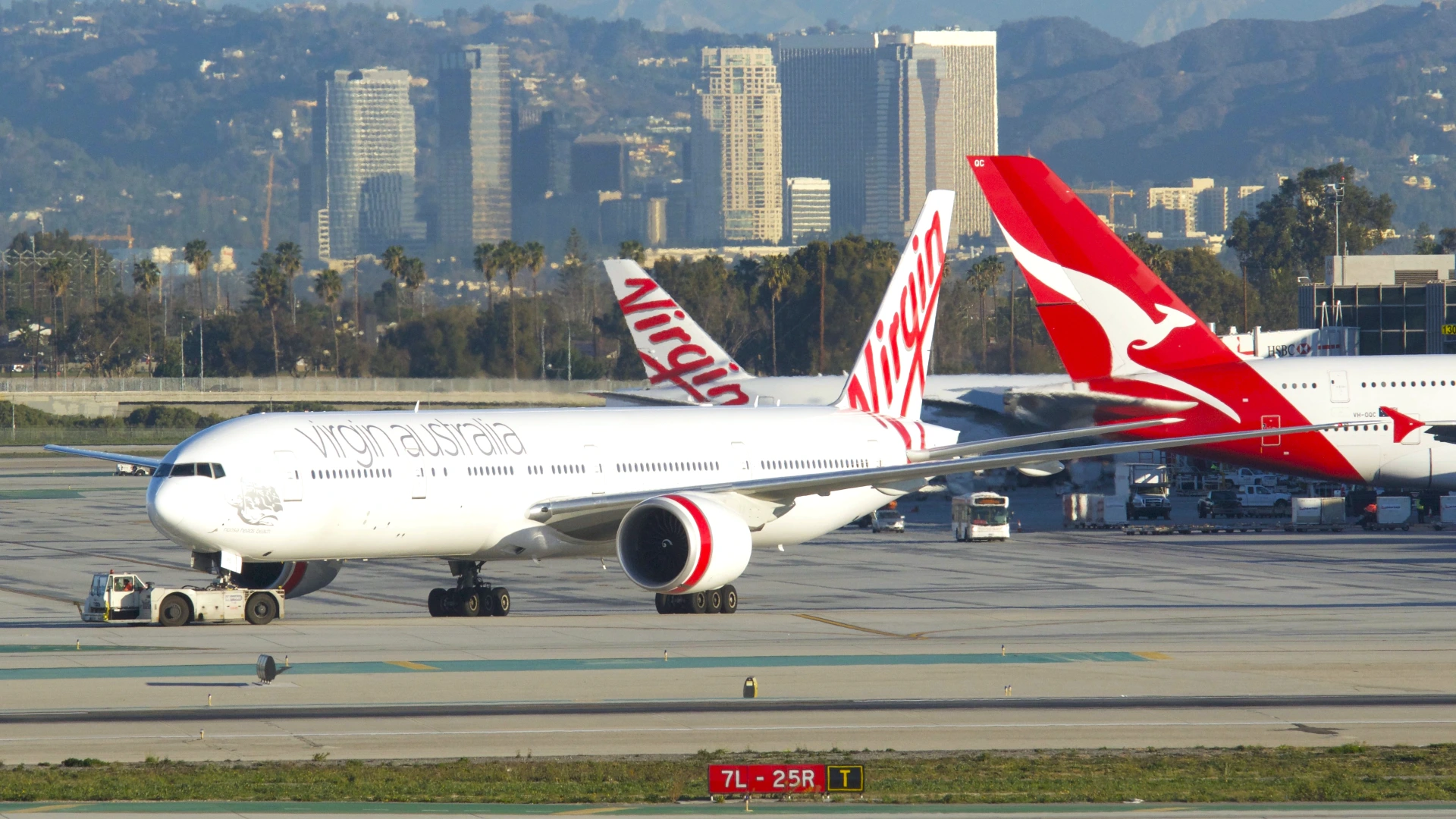
ADELAIDE– Two Virgin Australia (VA) pilots were removed from flying duties after reporting fatigue during a domestic flight from Melbourne (MEL) to Adelaide Airport (ADL) on November 18, 2026. The crew completed the flight safely but informed the airline that they were no longer fit to operate further sectors.
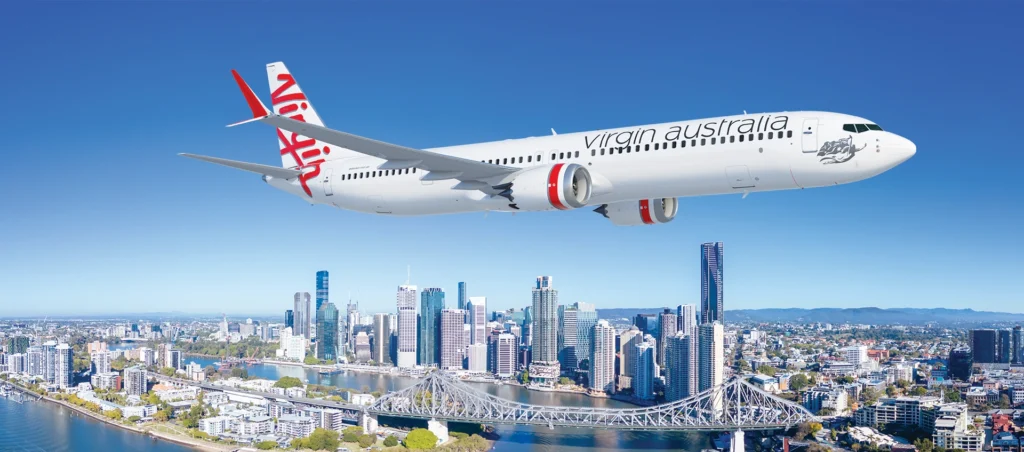
The incident occurred aboard flight VA219, operated by a Boeing 737-800 registered VH-VUX. Both pilots requested to be stood down after reaching Adelaide, prompting the airline to remove them from subsequent duties under its fatigue-management procedures. The aircraft landed at 11:05 local time without incident.
Pilots Report Fatigue Onboard Boeing 737
The flight departed Melbourne at approximately 10:24 AM, around 14 minutes behind its scheduled departure time, and arrived in Adelaide at 11:00 AM, according to flight-tracking information.
Both pilots reportedly raised concerns about their ability to continue flying safely while operating the service.
The aircraft had earlier operated VA814 from Sydney to Melbourne that morning, arriving in Melbourne at 9:20 AM. The available information does not establish how much rest the pilots received before reporting for duty or what specific factors contributed to their fatigue.
After landing, the pilots were removed from further flying assignments. Reports indicate that replacement crew members were arranged so the aircraft could continue its scheduled operations, although the airline has not publicly detailed the circumstances surrounding the fatigue declaration.

Previous Fatigue Concerns Raised By Pilots
Pilot fatigue has previously attracted attention at Virgin Australia. In May 2024, reports highlighted concerns raised by senior pilots about roster patterns, lengthy duty periods and the potential effects of operational disruptions on crew rest, Simple Flying reported.
The airline defended its fatigue risk management arrangements, stating that its system operated under approval from Australia’s Civil Aviation Safety Authority (CASA). Virgin Australia also pointed to its rostered days off as part of its approach to managing pilot fatigue.
The November incident does not establish that rostering contributed to the pilots’ condition. However, it places renewed attention on the importance of scheduling, rest opportunities and fatigue reporting in airline operations.
Aviation Safety Priority Across Operations
Pilot fatigue can affect concentration, reaction times, memory and decision-making, all of which are essential during commercial flight operations.
Flight crew must monitor aircraft systems, communicate with air traffic control and respond to unexpected developments, making alertness critical throughout their duties.
Airline fatigue risk management systems allow pilots to report when they feel unable to perform safely. These procedures enable operators to remove crew members from duty and arrange replacements rather than pressure them to continue flying.
Virgin Australia’s response demonstrates the role of fatigue reporting in aviation safety. Although removing two pilots can disrupt schedules and require replacement crew, preventing fatigued personnel from undertaking additional flights remains a priority for airlines.
Stay tuned with us. Further, follow us on social media for the latest updates.
Join us on Telegram Group for the Latest Aviation Updates. Subsequently, follow us on Google News
